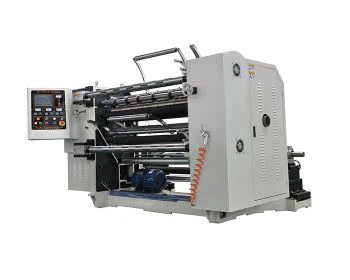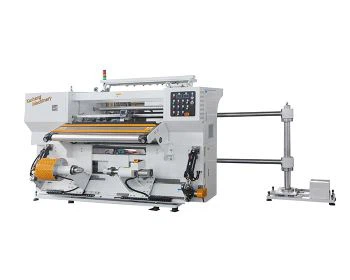
When it comes to the high-speed slitter for plastic film, the selection of blades is a critical factor that directly impacts the efficiency, quality, and overall performance of the slitting process. As a supplier of high-speed slitters for plastic film, I have witnessed firsthand the importance of using the right blades to meet the diverse needs of our clients. In this blog, I will explore the different types of blades used in high-speed slitters for plastic film, their characteristics, and the factors to consider when choosing the appropriate blades.
Types of Blades Used in High-Speed Slitters for Plastic Film
Circular Blades
Circular blades are one of the most commonly used types of blades in high-speed slitters for plastic film. These blades are typically made of high-quality steel or carbide and are designed to rotate at high speeds to cut through the plastic film. Circular blades come in various sizes and thicknesses, depending on the specific requirements of the slitting process.


One of the key advantages of circular blades is their ability to provide a clean and precise cut. The sharp edges of the blades ensure that the plastic film is cut smoothly, without any fraying or tearing. This is particularly important when slitting thin or delicate plastic films, as any damage to the film can affect its quality and performance.
Another advantage of circular blades is their versatility. They can be used to slit a wide range of plastic films, including polyethylene, polypropylene, polyester, and PVC. Circular blades can also be used for both straight and curved cuts, making them suitable for a variety of applications.
Razor Blades
Razor blades are another type of blade commonly used in high-speed slitters for plastic film. These blades are typically made of stainless steel or carbon steel and are designed to provide a sharp and precise cut. Razor blades are often used for slitting thin or delicate plastic films, as they can provide a clean and smooth cut without damaging the film.
One of the key advantages of razor blades is their affordability. They are relatively inexpensive compared to other types of blades, making them a popular choice for many manufacturers. Razor blades are also easy to replace, which helps to minimize downtime and increase productivity.
However, razor blades have some limitations. They are not as durable as circular blades and may need to be replaced more frequently. Razor blades are also not suitable for slitting thick or tough plastic films, as they may not be able to provide a clean and precise cut.
Shear Blades
Shear blades are a type of blade that is designed to cut through the plastic film by applying a shearing force. These blades are typically made of high-quality steel or carbide and are designed to provide a clean and precise cut. Shear blades are often used for slitting thick or tough plastic films, as they can provide a strong and reliable cut.
One of the key advantages of shear blades is their durability. They are designed to withstand high levels of stress and can last for a long time without needing to be replaced. Shear blades are also suitable for slitting a wide range of plastic films, including polyethylene, polypropylene, polyester, and PVC.
However, shear blades have some limitations. They are more expensive than other types of blades and may require more maintenance. Shear blades are also not suitable for slitting thin or delicate plastic films, as they may cause damage to the film.
Factors to Consider When Choosing the Appropriate Blades
Film Thickness
The thickness of the plastic film is one of the most important factors to consider when choosing the appropriate blades. Thicker films require stronger and more durable blades, while thinner films require sharper and more precise blades. For example, circular blades are often used for slitting thick films, while razor blades are more suitable for slitting thin films.
Film Material
The material of the plastic film is another important factor to consider when choosing the appropriate blades. Different materials have different properties, such as hardness, flexibility, and resistance to heat and chemicals. For example, polyethylene and polypropylene are relatively soft and flexible materials, while polyester and PVC are harder and more rigid materials. The type of blade used will depend on the specific properties of the film material.
Slitting Speed
The slitting speed is another important factor to consider when choosing the appropriate blades. Higher slitting speeds require blades that can withstand high levels of stress and provide a clean and precise cut. For example, circular blades are often used for high-speed slitting, as they can rotate at high speeds without losing their sharpness.
Slitting Width
The slitting width is another important factor to consider when choosing the appropriate blades. The width of the slit will depend on the specific requirements of the application. For example, if the plastic film needs to be slit into narrow strips, then a blade with a smaller diameter may be required.
Conclusion
In conclusion, the selection of blades is a critical factor that directly impacts the efficiency, quality, and overall performance of the slitting process. As a supplier of high-speed slitters for plastic film, I understand the importance of using the right blades to meet the diverse needs of our clients. By considering the factors discussed in this blog, such as film thickness, film material, slitting speed, and slitting width, you can choose the appropriate blades for your specific application.
If you are interested in learning more about our high-speed slitters for plastic film or have any questions about the selection of blades, please visit our website at Slitting Machine for Plastic Flim or Flexible Packaging Film Slitting Machine or PLC Control Plastic Film Slitter Machine. Our team of experts is always available to assist you with your needs and provide you with the best solutions for your business.