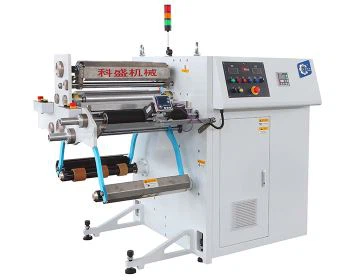
Hey there! I'm a provider of Label And Paper Rewinding Machines, and I often get asked about how to boost the accuracy of label rewinding. It's a crucial aspect of our machines' performance, as precise rewinding ensures high - quality products and efficient production processes. So, in this blog, I'll share some tips and tricks that can help you achieve better accuracy in label rewinding.
1. Machine Calibration
First off, proper machine calibration is key. Just like you'd tune a guitar to get the right sound, you need to calibrate your label and paper rewinding machine to get accurate rewinding. Start by checking the tension settings. Improper tension can lead to uneven rewinding, causing labels to bunch up or stretch. You can use tension sensors in advanced machines to monitor and adjust the tension automatically. Make sure the rolls are aligned correctly on the machine. Misaligned rolls will result in off - center rewinding, which is a big no - no in the label industry.
For our Inkjet Print Rewinding Machine [/rewinding-machine/inkjet-print-rewinding-machine.html], calibration is a bit more delicate because the inkjet printing needs to align perfectly with the rewinding process. You'll need to set the speed of the rewinding in sync with the inkjet printing speed to ensure that the printed labels are rewound accurately.
2. Quality of Labels and Paper
The quality of the labels and paper you use also plays a huge role in rewinding accuracy. Low - quality materials may have inconsistent thickness, surface smoothness, or adhesiveness. For example, if the label material has uneven thickness, it can cause the rewinding tension to fluctuate, leading to inaccurate rewinding.
When sourcing labels and paper, look for suppliers who can provide materials with high - quality standards. Test different batches of materials on your machine to see how they perform during rewinding. It's also a good idea to store your materials in a controlled environment. Extreme humidity or temperature can affect the properties of the labels and paper, making them more difficult to rewind accurately.


3. Operator Training
Your operators are the ones who interact with the machine on a daily basis, so their skills and knowledge are vital. Provide comprehensive training to your operators on how to operate the Label And Paper Rewinding Machine. They should know how to set up the machine for different types of labels and paper, how to monitor the rewinding process, and how to troubleshoot common issues.
For instance, teach them how to recognize the signs of inaccurate rewinding, such as wrinkles or misaligned labels. Train them to make minor adjustments to the machine settings, like tension and speed, to correct these issues on the spot. Operators who are well - trained will be able to ensure that the rewinding process runs smoothly and accurately.
4. Maintenance and Cleaning
Regular maintenance and cleaning of the machine are essential for accurate label rewinding. Over time, dust, debris, and adhesive residue can build up on the machine's components, affecting its performance. Clean the rollers, guides, and other moving parts regularly to prevent any blockages or uneven movement.
Check the machine's belts, chains, and gears for wear and tear. Replace any damaged parts immediately to avoid disruptions in the rewinding process. A well - maintained machine will operate more smoothly, resulting in more accurate label rewinding.
Our Jumbo Roll Slitting and Rewinding Machine [/rewinding-machine/jumbo-roll-slitting-and-rewinding-machine.html] requires special attention during maintenance. The slitting blades need to be sharp and properly aligned to ensure clean cuts and accurate rewinding of the large rolls.
5. Use of Advanced Technology
In today's digital age, there are many advanced technologies available that can enhance the accuracy of label rewinding. For example, some machines are equipped with vision systems that can detect and correct misaligned labels in real - time. These systems use cameras and sensors to monitor the position of the labels and make adjustments to the rewinding process accordingly.
Automated control systems can also improve accuracy. They can adjust the speed, tension, and other parameters of the rewinding process based on pre - set values, reducing the chance of human error. Our Vertical Automatic Rewinding Machine [/rewinding-machine/vertical-automatic-rewinding-machine.html] comes with an advanced automated control system that ensures precise and consistent rewinding.
6. Feedback and Quality Control
Implement a feedback and quality control system to continuously improve the accuracy of label rewinding. Regularly inspect the rewound labels for any defects or inaccuracies. If there are issues, analyze the data from the machine and the production process to identify the root cause.
For example, if you notice that a certain batch of labels has more misaligned rewinding than others, check the machine settings, the quality of the labels, and the performance of the operators during that production run. Use the feedback to make adjustments to the machine, improve the materials, or provide additional training to the operators.
7. Compatibility with Different Label Types
Different types of labels, such as pressure - sensitive labels, thermal labels, and die - cut labels, have different characteristics that can affect the rewinding process. Make sure your machine is compatible with the types of labels you plan to rewind.
For example, pressure - sensitive labels may require different tension settings compared to thermal labels because of their adhesiveness. Our Label Rewinder Machine [/rewinding-machine/label-rewinder-machine.html] is designed to be versatile and can handle a wide range of label types, but it's still important to adjust the settings according to the specific label characteristics.
8. Consider Reversible Rewinding
Reversible rewinding can be a great option for improving accuracy, especially when dealing with complex label designs or materials. A Reversible Rewinding Machine [/rewinding-machine/reversible-rewinding-machine.html] allows you to rewind the labels in both directions, which can help correct any minor alignment issues.
By rewinding the labels in the opposite direction, you can sometimes smooth out any wrinkles or misalignments that occurred during the initial rewinding. This can result in a more accurate and professional - looking final product.
In conclusion, improving the accuracy of label rewinding in a Label And Paper Rewinding Machine involves a combination of proper calibration, high - quality materials, well - trained operators, regular maintenance, advanced technology, and a good quality control system. By following these tips, you can ensure that your rewinding process is accurate and efficient, leading to higher - quality products and satisfied customers.
If you're interested in learning more about our Label And Paper Rewinding Machines or have any questions about improving label rewinding accuracy, feel free to get in touch with us. We'd be more than happy to help you with your procurement needs and provide you with the best solutions for your label and paper rewinding requirements.