

As a supplier of High Speed Slitting Rewinding Machines, I understand the critical importance of slitting quality in various industries. Whether it's for plastic films, papers, or other materials, achieving high - quality slitting is essential for product performance and customer satisfaction. In this blog, I will share some effective ways to improve the slitting quality of a High Speed Slitting Rewinding Machine.
1. Machine Selection and Setup
The first step in improving slitting quality is to choose the right machine. Our company offers a range of machines, such as the Plastic Film Roll Slitting Machine and the PE Plastic Film Slitting Machine. These machines are designed with advanced technology to ensure precise slitting.

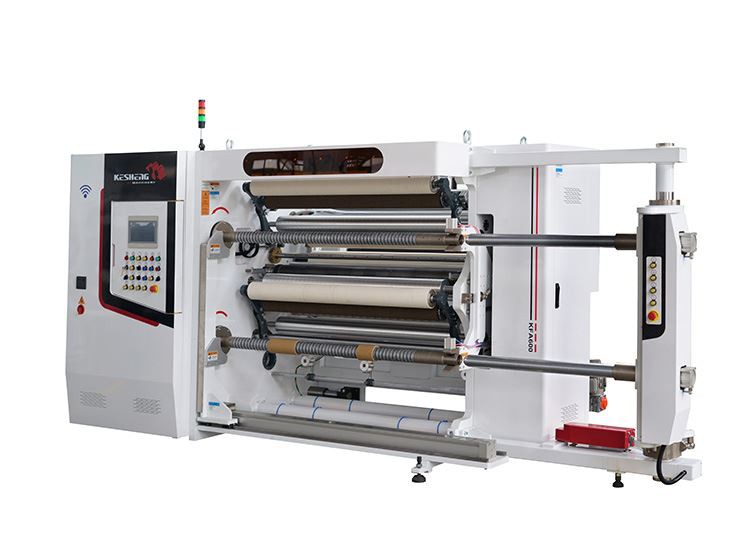
When setting up the machine, proper alignment is crucial. The slitting knives should be accurately positioned to cut the material evenly. Misaligned knives can lead to uneven cuts, burrs, and other quality issues. Additionally, the tension control system of the machine needs to be calibrated correctly. Appropriate tension ensures that the material moves smoothly through the slitting process, preventing wrinkles and uneven winding.
2. Knife Maintenance and Selection
The quality of the slitting knives has a direct impact on the slitting quality. Dull or damaged knives can cause rough edges, tearing, and inconsistent cuts. Regular maintenance of the knives is necessary. This includes cleaning, sharpening, and replacing them when they are worn out.
When selecting knives, consider the type of material to be slit. Different materials require different knife types. For example, for plastic films, a sharp and thin blade is often preferred to achieve clean cuts. Our Precision Automatic Plastic Film Paper Roll Slitting Machine is equipped with high - quality knives that are suitable for a variety of plastic film materials.
3. Material Handling and Preparation
Proper material handling and preparation are essential for good slitting quality. Before slitting, the material should be inspected for any defects, such as thickness variations, impurities, or surface damage. These defects can affect the slitting process and result in poor quality products.
Material storage also plays a role. The material should be stored in a clean, dry, and temperature - controlled environment to prevent moisture absorption and other forms of damage. Additionally, the material should be fed into the machine smoothly and without any wrinkles or twists. This can be achieved by using appropriate guiding systems and tension control during the feeding process.
4. Process Optimization
Optimizing the slitting process can significantly improve the slitting quality. This includes adjusting the slitting speed, feed rate, and pressure. The slitting speed should be set according to the type and thickness of the material. Too high a speed may cause the knives to overheat and result in poor cuts, while too low a speed may be inefficient.
The feed rate should be synchronized with the slitting speed to ensure a continuous and even slitting process. The pressure applied to the material during slitting also needs to be carefully adjusted. Excessive pressure can cause the material to deform or tear, while insufficient pressure may lead to incomplete cuts.
5. Quality Control and Monitoring
Implementing a comprehensive quality control and monitoring system is vital for improving slitting quality. Regular inspections of the slit products should be carried out to check for any defects, such as edge roughness, width variations, and winding quality.
In - line monitoring systems can be used to detect any issues during the slitting process in real - time. These systems can measure parameters such as thickness, width, and tension, and provide feedback to the machine control system. If any deviations are detected, the machine can be automatically adjusted to correct the problem.
6. Operator Training
Well - trained operators are key to achieving high - quality slitting. Operators should be familiar with the machine's operation, maintenance, and troubleshooting procedures. They should also understand the importance of quality control and be able to identify and address any quality issues promptly.
Our company provides comprehensive training programs for operators. These programs cover all aspects of the High Speed Slitting Rewinding Machine, from basic operation to advanced troubleshooting. By ensuring that operators are well - trained, we can improve the overall slitting quality and efficiency of the machine.
7. Collaboration with Suppliers
Collaborating with material suppliers is also important for improving slitting quality. Material suppliers can provide valuable information about the material properties, such as thickness, strength, and chemical composition. This information can help us optimize the slitting process and select the appropriate knives and settings.
In addition, by working closely with material suppliers, we can ensure a stable supply of high - quality materials. This reduces the risk of quality issues caused by material variations.
Conclusion
Improving the slitting quality of a High Speed Slitting Rewinding Machine requires a comprehensive approach that includes machine selection and setup, knife maintenance and selection, material handling and preparation, process optimization, quality control and monitoring, operator training, and collaboration with suppliers.
If you are looking for a reliable High Speed Slitting Rewinding Machine or need advice on improving slitting quality, please feel free to contact us for procurement and further discussions. We are committed to providing high - quality machines and excellent service to meet your needs.


