When it comes to the plastic film industry, slitting machines play a crucial role in the production process. One of the key technical specifications that often concerns manufacturers is the maximum rewinding diameter of a slitting machine for plastic film. As a leading supplier of slitting machines for plastic film, we understand the importance of this parameter and how it impacts the overall efficiency and productivity of your operations.
Understanding the Maximum Rewinding Diameter
The maximum rewinding diameter refers to the largest diameter that a slitting machine can rewind the plastic film onto a core. This parameter is crucial as it determines the amount of film that can be wound onto a single core, which in turn affects the frequency of core changes during the slitting process. A larger maximum rewinding diameter allows for longer continuous runs, reducing downtime associated with core changes and increasing overall production efficiency.
However, it's important to note that the maximum rewinding diameter is not the only factor to consider when choosing a slitting machine. Other factors such as the type of plastic film, the required slitting width, the speed of the machine, and the overall production volume also play a significant role in determining the most suitable machine for your needs.
Factors Affecting the Maximum Rewinding Diameter
Several factors can influence the maximum rewinding diameter of a slitting machine for plastic film. These include:
Machine Design and Construction
The design and construction of the slitting machine play a crucial role in determining its maximum rewinding diameter. Machines with a robust and stable frame can support larger rewinding diameters without compromising the quality of the rewound film. Additionally, the type of rewinding mechanism used, such as center winding or surface winding, can also affect the maximum rewinding diameter.
Film Properties
The properties of the plastic film, such as its thickness, width, and tensile strength, can also impact the maximum rewinding diameter. Thicker films may require a smaller rewinding diameter to prevent excessive tension and wrinkling, while wider films may need a larger diameter to ensure proper winding.
Core Size and Material
The size and material of the core onto which the film is rewound can also affect the maximum rewinding diameter. Larger cores can accommodate a greater amount of film, allowing for a larger rewinding diameter. Additionally, the material of the core, such as paper or plastic, can also impact the rewinding process and the maximum diameter that can be achieved.
Importance of the Maximum Rewinding Diameter in the Plastic Film Industry
The maximum rewinding diameter is a critical parameter in the plastic film industry for several reasons. Firstly, it directly impacts the production efficiency of the slitting process. A larger rewinding diameter allows for longer continuous runs, reducing downtime associated with core changes and increasing the overall output of the machine.
Secondly, the maximum rewinding diameter can also affect the quality of the rewound film. A machine with a larger rewinding diameter can provide more consistent tension and winding, resulting in a smoother and more uniform roll of film. This is particularly important for applications where the quality of the film is crucial, such as in the packaging and labeling industries.
Finally, the maximum rewinding diameter can also influence the cost of production. By reducing the frequency of core changes and increasing the overall output of the machine, a larger rewinding diameter can help to lower the cost per unit of film produced.
Our Range of Slitting Machines for Plastic Film
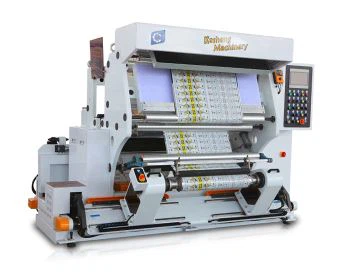
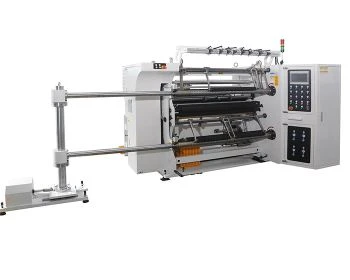
As a leading supplier of slitting machines for plastic film, we offer a wide range of machines with different maximum rewinding diameters to meet the diverse needs of our customers. Our machines are designed and manufactured to the highest standards of quality and reliability, ensuring optimal performance and efficiency in your production process.
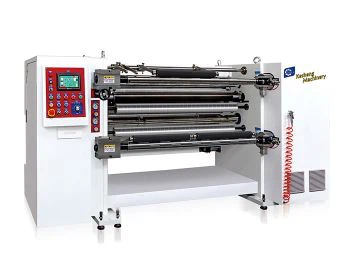
One of our popular products is the OPP Film Slitting Machine for Jumbo Roll. This machine is specifically designed for slitting and rewinding OPP films and features a large maximum rewinding diameter, allowing for long continuous runs and high production efficiency.
Another excellent option is the Thick film or PET PVC Paper slitting machine KWF-B. This machine is suitable for slitting and rewinding thick films, PET, PVC, and paper, and offers a flexible and reliable solution for a variety of applications.
For customers requiring high-speed production, we also offer the High Speed Slitting Rewinding Machine. This machine is designed to provide fast and accurate slitting and rewinding of plastic films, with a large maximum rewinding diameter and high-speed operation.
Determining the Right Maximum Rewinding Diameter for Your Needs
When choosing a slitting machine for plastic film, it's important to determine the right maximum rewinding diameter for your specific needs. This will depend on several factors, including the type of plastic film you are using, the required slitting width, the speed of the machine, and the overall production volume.
To help you make an informed decision, our team of experts is available to provide you with professional advice and guidance. We can assess your specific requirements and recommend the most suitable machine with the appropriate maximum rewinding diameter to meet your needs.


Contact Us for More Information
If you have any questions or would like to learn more about our range of slitting machines for plastic film and the maximum rewinding diameter, please don't hesitate to contact us. Our team of experts is here to assist you with any inquiries you may have and to help you find the perfect solution for your production needs.
We look forward to the opportunity to work with you and to help you enhance the efficiency and productivity of your plastic film slitting operations. Whether you are a small-scale manufacturer or a large industrial company, we have the expertise and the products to meet your requirements.