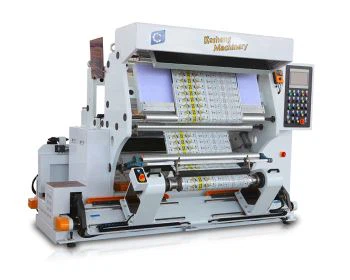
When you're in the market for a Metallic Foil Slitter Machine, testing its performance before making a purchase is crucial. As a Metallic Foil Slitter Machine supplier, I'm going to share some insider tips on how you can carry out these tests effectively.
1. Pre - Test Preparations
Before you start testing the machine, you gotta get your ducks in a row. First off, gather all the necessary materials. You'll need different types and thicknesses of metallic foils. This is important because the machine might perform differently depending on the foil's characteristics. For instance, aluminum foil used in packaging might have different requirements compared to the foil used in electronics.
Next, make sure the machine is set up in a suitable environment. The area should be clean, well - lit, and have proper ventilation. You don't want any dust or debris getting into the machine and affecting its performance. Also, ensure that the power supply is stable. Fluctuations in power can lead to inaccurate test results and even damage the machine.


2. Visual Inspection
The first step in testing the machine is a good old - fashioned visual inspection. Look at the overall build quality of the machine. Check for any signs of rust, loose parts, or uneven surfaces. A well - built machine is more likely to perform consistently over time.
Inspect the cutting blades. They should be sharp and free from any nicks or chips. Dull blades can result in poor cutting quality, such as rough edges or uneven slits on the foil. Also, check the alignment of the blades. Misaligned blades can cause the foil to tear or cut at an angle, which is a big no - no.
3. Speed and Efficiency Testing
One of the most important aspects of a Metallic Foil Slitter Machine is its speed and efficiency. To test the speed, measure the time it takes for the machine to slit a pre - determined length of metallic foil. Run the test multiple times with different speeds that the machine offers.
Compare the actual slitting speed with the specifications provided by the manufacturer. If there's a significant difference, that could be a red flag. A high - performing machine should be able to maintain a consistent slit size and quality even at high speeds.
Efficiency also includes how well the machine uses power. You can use a power meter to monitor the energy consumption during the slitting process. A more efficient machine will consume less power while still delivering high - quality slits.
4. Slitting Quality Testing
The slitting quality is what really matters in the end. After running the machine for a while, carefully examine the cut edges of the metallic foil. The edges should be smooth and free from any burrs or fraying. Any unevenness in the edges can indicate problems with the cutting blades or the machine's alignment.
Check the width of the slits. They should match the specified dimensions accurately. Measure the width at multiple points along the length of the slit foil. If there are variations, it could mean that the machine has issues with its guiding or tension control systems.
5. Tension and Alignment Testing
Proper tension and alignment are critical for optimal performance. The tension of the metallic foil should be consistent throughout the slitting process. You can use a tension meter to measure the tension at different points on the foil. Inconsistent tension can lead to wrinkling, telescoping, or uneven slitting.
Alignment is all about ensuring that the foil moves straight through the machine. Watch the foil as it enters and exits the slitting area. If it seems to be veering to one side or getting misaligned, there could be problems with the guides or rollers. Adjust the alignment settings and retest until the foil moves smoothly and straight.
6. Noise and Vibration Testing
A quiet and stable machine is not only more pleasant to work with but also an indicator of good mechanical design. During the test run, pay attention to the noise level of the machine. Excessive noise could mean that there are loose parts, worn - out bearings, or problems with the motor.
At the same time, check for vibrations. Vibrations can affect the cutting quality and also cause premature wear and tear on the machine. If you feel or see excessive vibrations, try to identify the source. It could be an issue with the machine's mounting or imbalance in the rotating parts.
7. Troubleshooting and Error Handling
During the testing process, it's likely that you'll encounter some minor glitches. Observe how the machine responds to these issues. A good Metallic Foil Slitter Machine should have built - in error - detection systems and provide clear indicators when something goes wrong.
If there's a jam or a malfunction, check how easy it is to access the affected parts for troubleshooting. The machine should be designed in a way that allows for quick and efficient repairs. Look for user - friendly interfaces and clear documentation that can help you resolve issues on your own.
8. Checking Machine Safety Features
Safety should always be a top priority. Test all the safety features of the machine, such as emergency stop buttons, safety guards, and interlocks. Press the emergency stop button while the machine is running to make sure it stops immediately. Check that the safety guards are in place and functioning properly. They should prevent access to dangerous parts of the machine during operation.
Our Product Recommendations
We offer a wide range of high - quality Metallic Foil Slitter Machines. For instance, our Fully Automatic Aluminum Foil Slitting Machine is designed for maximum efficiency and precision. It can handle different thicknesses of aluminum foil with ease.
If you're looking for a machine with special features, our 1300 Slitting Machine With Corona Function And Safety Devices is a great choice. The corona function helps improve the surface properties of the foil for better adhesion.
Our Aluminium Foil Cutting Machine is known for its sharp cutting blades and reliable performance. It ensures clean and accurate cuts every time.
The Aluminum Foil Automatic Slitting Machine is highly automated, reducing the need for manual intervention and increasing productivity.
And if you're in the chocolate or beer packaging industry, our Aluminium Foil Slitting Machine For Chocolate And Beer is specifically designed to meet your requirements.
Wrapping Up
Testing the performance of a Metallic Foil Slitter Machine before purchase is a comprehensive process that requires attention to detail. By following the steps outlined above, you can make an informed decision and choose a machine that meets your needs.
If you're interested in any of our products or need more information about testing Metallic Foil Slitter Machines, don't hesitate to reach out. We're here to help you find the perfect machine for your business.