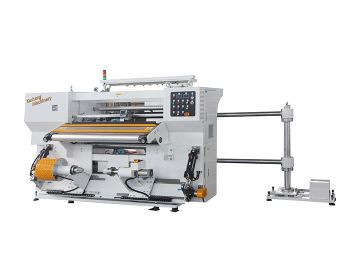
As a reputable supplier of Aluminium Foil Cutting Machines, we understand the importance of a comprehensive understanding of cutting force distribution in the operation of these machines. In the field of aluminium foil processing, the cutting force distribution directly impacts the quality of the cut, the lifespan of the cutting tools, and the overall efficiency of the production process.
Understanding the Basics of Cutting Force in Aluminium Foil Cutting Machines
Cutting force can be defined as the force required to separate the material during the cutting process. In the context of aluminium foil cutting machines, this force is crucial for achieving clean, precise cuts. The magnitude and distribution of the cutting force are influenced by several factors, including the properties of the aluminium foil, the design of the cutting tool, and the operational parameters of the machine.
Aluminium foil is a thin, malleable material with specific mechanical properties. Its thickness, hardness, and ductility can vary depending on the manufacturing process and the intended application. These properties play a significant role in determining the cutting force required. For instance, thicker and harder aluminium foils generally require higher cutting forces compared to thinner and softer ones.
The design of the cutting tool is another critical factor. Different types of cutting tools, such as circular blades, guillotine blades, or rotary knives, have different cutting force characteristics. The geometry of the blade, including the cutting edge angle, rake angle, and clearance angle, can significantly affect how the force is distributed during the cutting process. A well - designed cutting tool can optimize the cutting force distribution, reducing the overall force required and improving the quality of the cut.
Operational parameters like cutting speed, feed rate, and cutting depth also impact the cutting force distribution. Higher cutting speeds may require more force, especially if the feed rate is not adjusted accordingly. Similarly, increasing the cutting depth will generally increase the cutting force.
Factors Affecting Cutting Force Distribution
Aluminium Foil Properties
- Thickness: As mentioned earlier, thicker aluminium foils demand more force to cut. When the thickness increases, the amount of material that needs to be sheared off also increases, resulting in a higher cutting force. For example, a 0.1 - mm thick aluminium foil will require less cutting force compared to a 0.5 - mm thick one.
- Hardness: Harder aluminium foils have a higher resistance to deformation and cutting. The internal structure of the foil is more rigid, making it difficult for the cutting tool to penetrate and separate the material. This leads to an increase in the cutting force and a change in its distribution along the cutting edge.
- Ductility: Ductile aluminium foils tend to deform more during the cutting process. This deformation can cause the cutting force to be distributed over a larger area, but it may also lead to problems such as burr formation if the force is not properly managed.
Cutting Tool Design
- Blade Geometry: The rake angle, for example, affects the way the material is sheared. A positive rake angle reduces the cutting force by allowing the blade to slide into the material more easily. However, if the rake angle is too large, it may weaken the blade's cutting edge. The cutting edge angle determines the sharpness of the blade. A smaller cutting edge angle results in a sharper blade, which can reduce the cutting force but may also make the blade more prone to wear.
- Tool Material: The type of material used to make the cutting tool also impacts the cutting force distribution. High - speed steel (HSS) tools are commonly used in aluminium foil cutting machines due to their good combination of hardness and toughness. Carbide tools, on the other hand, are harder and can maintain a sharper edge for longer, which can lead to more consistent cutting force distribution over time.
Operational Conditions
- Cutting Speed: Increasing the cutting speed can sometimes reduce the cutting force due to the thermal softening effect. However, if the cutting speed is too high, it can cause excessive heat generation, which may damage the cutting tool and affect the quality of the cut. A proper balance between cutting speed and other operational parameters is necessary to optimize the cutting force distribution.
- Feed Rate: The feed rate determines how quickly the aluminium foil is fed into the cutting tool. A high feed rate may increase the cutting force, especially if the cutting tool is not designed to handle it. A lower feed rate, on the other hand, can result in a more even distribution of the cutting force but may also reduce the production efficiency.
Measuring and Analyzing Cutting Force Distribution
To ensure optimal performance of the Aluminium Foil Cutting Machine, it is essential to measure and analyze the cutting force distribution. Various methods can be used for this purpose, including strain gauge sensors, piezoelectric sensors, and dynamometers.
Strain gauge sensors work by measuring the deformation of a material under stress. They can be attached to the cutting tool or the machine structure to measure the cutting force indirectly. Piezoelectric sensors, on the other hand, generate an electrical charge in response to mechanical stress. They are highly sensitive and can provide accurate real - time measurements of the cutting force.
Dynamometers are more sophisticated instruments that can measure the cutting force in multiple directions. They provide detailed information about the force distribution during the cutting process, which can be used to optimize the machine's operational parameters, improve the cutting tool design, and enhance the overall quality of the cut.
Importance of Proper Cutting Force Distribution
Proper cutting force distribution is critical for several reasons. Firstly, it ensures the quality of the cut. An uneven distribution of the cutting force can lead to problems such as burrs, uneven edges, and poor surface finish. These defects can affect the functionality and appearance of the aluminium foil products, reducing their market value.
Secondly, it extends the lifespan of the cutting tools. When the cutting force is evenly distributed, the wear on the cutting edge is more uniform. This reduces the risk of premature tool failure and the need for frequent tool replacements, which can save costs and increase production efficiency.
Finally, proper cutting force distribution improves the overall efficiency of the Aluminium Foil Cutting Machine. By optimizing the cutting force, the machine can operate at its maximum capacity with less energy consumption. This not only reduces the operating costs but also contributes to a more sustainable production process.
Our Range of Aluminium Foil Cutting Machines
At our company, we offer a wide range of high - quality Aluminium Foil Cutting Machines designed to meet diverse customer needs. Some of our popular models include:
- Aluminium Foil Slitting Machine For Chocolate And Beer: This machine is specially designed for the food and beverage industry, providing precise and efficient slitting of aluminium foil for chocolate and beer packaging.
- Vertical Automatic High Speed Aluminium Foil Slitting Machine: With its high - speed operation and automatic features, this machine is ideal for large - scale production. It ensures consistent cutting force distribution, resulting in high - quality cuts.
- Metallic Foil Slitter Machine: This versatile machine can handle different types of metallic foils, including aluminium. It is designed to optimize the cutting force distribution, providing clean and precise cuts.
- High Speed Aluminium Foil Roll Slitter Machine: This machine is capable of high - speed slitting of aluminium foil rolls. Its advanced design helps to maintain a stable cutting force distribution, improving the production efficiency.
- Aluminum Foil Automatic Slitting Machine: Featuring automatic operation, this machine reduces the need for manual intervention. It is designed to ensure proper cutting force distribution, resulting in high - quality and consistent cuts.
Conclusion
Understanding the cutting force distribution of an Aluminium Foil Cutting Machine is essential for achieving high - quality cuts, extending the lifespan of cutting tools, and improving the overall efficiency of the production process. At our company, we are committed to providing our customers with the best - in - class Aluminium Foil Cutting Machines that are designed to optimize the cutting force distribution. If you are interested in purchasing our machines or have any questions about the cutting force distribution or other aspects of our products, please feel free to contact us for further discussions and procurement negotiations.