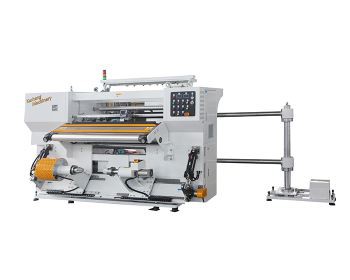
Yo, what's up, folks! As a supplier of Aluminium Foil Slitting Machines, I've been getting a bunch of questions lately about the temperature rise of these machines during long - term operation. So, I thought I'd break it down in this blog.
Let's first understand why temperature rise is such a big deal. When an Aluminium Foil Slitting Machine runs for a long time, the temperature increase can potentially cause a lot of problems. It can affect the machine's performance, reduce the lifespan of its components, and even lead to safety hazards in extreme cases.
Factors Contributing to Temperature Rise
There are several factors that can cause the temperature of an Aluminium Foil Slitting Machine to rise during long - term operation.
Friction
Friction is probably the most obvious factor. When the slitting blades cut through the aluminium foil, there's a significant amount of friction between the blade and the foil. This mechanical friction generates heat. The faster the machine runs, the greater the friction and the higher the heat generated. Also, the dullness of the blades plays a role. Dull blades need more force to cut through the foil, which means more friction and more heat.
Electrical Components
The electrical components in the machine, like motors and transformers, also generate heat when they're in use. Motors convert electrical energy into mechanical energy, and in the process, some of the energy is lost as heat. If the machine has a high - power motor running continuously for a long time, it can get quite hot. And if the ventilation around these electrical components isn't good, the heat can't dissipate properly, leading to an increase in the overall temperature of the machine.
Hydraulic System
Many Aluminium Foil Slitting Machines use a hydraulic system for various functions such as blade adjustment and tension control. The hydraulic oil in the system can heat up during long - term operation. This is because of the internal friction of the oil as it flows through the hydraulic pumps, valves, and cylinders. If the hydraulic oil isn't cooled properly, the system can overheat, which in turn can affect the machine's performance.
Measuring the Temperature Rise
To monitor the temperature rise of the machine, we usually use temperature sensors. These sensors can be placed at key locations on the machine, such as near the motors, on the slitting blades, and in the hydraulic system. By regularly checking the temperature readings from these sensors, we can get an idea of how the machine is performing and if there are any potential issues.
The normal temperature rise of an Aluminium Foil Slitting Machine can vary depending on its design, the operating conditions, and the materials being processed. Generally, for the electrical components, a temperature rise of around 30 - 50 degrees Celsius above the ambient temperature is considered normal. For the slitting blades, the temperature rise can be a bit higher, especially if they're cutting through thick or tough aluminium foil.


Effects of Excessive Temperature Rise
If the temperature of the machine rises too much, it can have some serious consequences.
Component Damage
High temperatures can cause damage to the machine's components. For example, the lubricants used in the machine can break down at high temperatures, which can lead to increased friction and wear on the moving parts. The electrical insulation of the motors and other electrical components can also be damaged, which can lead to short - circuits and electrical failures.
Reduced Performance
Excessive heat can also affect the machine's performance. The slitting blades may become less precise as they expand due to the heat, which can result in uneven cuts on the aluminium foil. The hydraulic system may also become less efficient, leading to slower operation and reduced productivity.
Ways to Control Temperature Rise
Now, let's talk about how we can control the temperature rise of the Aluminium Foil Slitting Machine.
Blade Maintenance
Keeping the slitting blades sharp is crucial. Regularly sharpening the blades can reduce the friction between the blade and the foil, which in turn reduces the heat generated. Also, using high - quality blades that are designed to withstand high - temperature cutting can help.
Ventilation
Proper ventilation is essential for the electrical components. Make sure there's enough space around the machine for air to circulate. You can also install fans or other cooling devices near the motors and other heat - generating components to help dissipate the heat.
Hydraulic System Cooling
For the hydraulic system, using a hydraulic oil cooler can help keep the temperature in check. These coolers work by passing the hydraulic oil through a heat exchanger, where the heat is transferred to the surrounding air or a liquid coolant.
Our Offering
As a supplier, we at [Company Name will be added later] offer a range of high - quality Aluminium Foil Slitting Machines. Check out our Aluminum Foil Automatic Slitting Machine, Automatic Aluminum Foil Laminated Plastic Film Slitting Machine, and Aluminium Foil Cutting Machine. These machines are designed with advanced technology to minimize temperature rise during long - term operation, ensuring optimal performance and longevity.
If you're in the market for an Aluminium Foil Slitting Machine or have any questions about temperature rise or other machine - related issues, feel free to reach out. We're here to help you choose the right machine for your needs and ensure that it runs smoothly for years to come. Let's have a chat about your requirements and how we can make your production process more efficient.