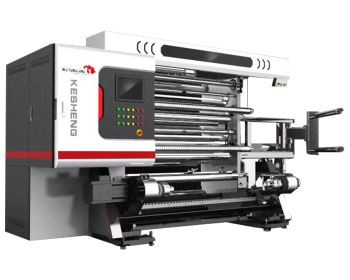
As a supplier of Reversible Inspection Machines, I understand the importance of proper maintenance to ensure the longevity and optimal performance of these sophisticated pieces of equipment. A Reversible Inspection Machine is a critical tool in various industries, especially in printing, packaging, and manufacturing, where it is used to detect defects, ensure quality control, and maintain high production standards. In this blog post, I will discuss the maintenance requirements for a Reversible Inspection Machine, providing insights and best practices based on my experience in the field.
Regular Cleaning and Dust Removal
One of the most fundamental maintenance tasks for a Reversible Inspection Machine is regular cleaning. Dust and debris can accumulate on the machine's components over time, which can affect its performance and accuracy. The optical sensors, cameras, and lenses are particularly vulnerable to dust, as even a small amount of dirt can interfere with the image capture and analysis process.
To clean the machine, start by using a soft, lint-free cloth to wipe down the exterior surfaces. Be careful not to scratch the machine's finish. For the internal components, such as the sensors and lenses, use a compressed air canister to blow away any loose dust. Avoid using water or liquid cleaners on these components, as they can cause damage.
In addition to regular cleaning, it is also important to keep the machine's environment clean. A clean work area can help prevent dust and debris from getting into the machine in the first place. Consider using air filters or dust collectors in the vicinity of the machine to reduce the amount of airborne particles.


Calibration and Alignment
Calibration and alignment are crucial for the accurate operation of a Reversible Inspection Machine. Over time, the machine's components can shift or become misaligned, which can lead to inaccurate defect detection and measurement. Regular calibration ensures that the machine is operating within its specified tolerances and provides reliable results.
The calibration process typically involves adjusting the machine's sensors, cameras, and other components to ensure that they are accurately capturing and analyzing the images. This may require the use of calibration targets or reference samples to verify the machine's performance. Alignment is also important, as it ensures that the machine's components are properly positioned relative to each other.
It is recommended to perform calibration and alignment at regular intervals, as specified by the machine's manufacturer. In addition, calibration should be performed after any major maintenance or repair work, as well as when there are significant changes in the machine's operating environment.
Lubrication and Component Maintenance
Proper lubrication is essential for the smooth operation of a Reversible Inspection Machine. The machine's moving parts, such as the conveyor belts, motors, and bearings, require regular lubrication to reduce friction and wear. Using the correct type and amount of lubricant is important, as using the wrong lubricant can cause damage to the machine's components.
In addition to lubrication, it is also important to perform regular maintenance on the machine's components. This includes checking for signs of wear or damage, such as cracks, chips, or excessive noise. Replace any worn or damaged components as soon as possible to prevent further damage to the machine.
Software Updates and System Maintenance
A Reversible Inspection Machine relies on software to control its operation and perform defect detection and analysis. Keeping the machine's software up to date is important to ensure that it has the latest features, bug fixes, and security patches. Software updates can also improve the machine's performance and accuracy.
In addition to software updates, it is also important to perform regular system maintenance on the machine. This includes backing up the machine's data, checking the system's performance, and monitoring the machine's error logs. By performing regular system maintenance, you can identify and address any potential issues before they become major problems.
Training and Operator Awareness
Proper training and operator awareness are essential for the effective maintenance of a Reversible Inspection Machine. Operators should be trained on the machine's operation, maintenance procedures, and safety guidelines. They should also be aware of the importance of regular maintenance and the potential consequences of neglecting it.
In addition to training, it is also important to provide operators with access to the machine's maintenance manual and other resources. This can help them troubleshoot problems and perform basic maintenance tasks on their own. By empowering operators to take an active role in the machine's maintenance, you can reduce downtime and improve the machine's overall performance.
Conclusion
Maintaining a Reversible Inspection Machine is essential for ensuring its longevity and optimal performance. By following the maintenance requirements outlined in this blog post, you can keep your machine in good working condition and avoid costly repairs and downtime. Remember to perform regular cleaning, calibration, lubrication, and component maintenance, as well as software updates and system maintenance. In addition, provide your operators with proper training and access to resources to ensure that they are aware of the importance of maintenance and can perform basic maintenance tasks on their own.
If you are interested in learning more about our Reversible Inspection Machines or have any questions about maintenance requirements, please feel free to [contact us for a purchase negotiation]. We are a leading supplier of inspection machines, offering a wide range of products to meet your specific needs. Our machines are designed to provide accurate and reliable defect detection, ensuring the highest quality standards in your production processes.
For more information about our inspection machines, you can visit the following links:
- Inspection Machine For All Type Defect In Printing Processes
- High Speed Slitting and Inspection Machine
- Computer Controlled Print Inspection Rewinding Machine