If you've ever spent hours manually rewinding plastic film, fabric rolls, or even paper at home-only to end up with tangled edges, uneven layers, or wasted material-you've probably wondered if there's a better way. As a rewinding machine supplier who's fielded thousands of questions from hobbyists, small-scale creators, and even occasional DIYers over the years, one of the most common asks I hear is: "Can I get a rewinding machine for my home? Not something huge for a factory, just something that works for my projects."
The short answer is yes-but it's not a one-size-fits-all situation. A lot of people assume rewinding machines are big, loud, and only for industrial use, but that's a myth. Over the past decade, we've seen a surge in compact, affordable home-use models designed for small projects without sacrificing the precision that makes rewinding worth doing. Let's break down what home users actually need, what options work, and what to avoid when shopping for a rewinding machine for your home workspace.


What Do Home Users Actually Need From a Rewinding Machine?
First, let's get clear on what most people using a rewinding machine at home aren't doing. You're not running 24/7 shifts of 1,000-foot plastic film rolls for packaging a business. You're probably a creator who works with things like: small batches of vinyl for custom stickers, plastic film for DIY packaging prototypes, fabric rolls for sewing projects, photo paper for home printing, or even washi tape for art. You need a machine that's not clunky enough to take up your entire garage, not so expensive that it breaks your monthly hobby budget, and easy enough to use that you don't have to call a technician every time it jams.
Key features that matter for home use:
- Compact footprint: No need for a 10-foot long roll stand. A machine that fits on a workbench is ideal.
- Quiet operation: You don't want to annoy your family or neighbors while working on weekend projects.
- Simple controls: No touchscreen interfaces with 20 settings you'll never use. Knobs or a basic digital display for speed and tension are enough.
- Safety: A machine that stops automatically if a roll wobbles or a film gets caught-critical when you're working in a small space with limited supervision.
- Versatility: The ability to handle different materials (plastic film, thin fabric, paper) since most home users switch between projects.
The Surprising Range of Rewinding Machines for Home Use
When most people picture a rewinding machine, they think of the huge, loud units in factories that process tons of material. But over the last few years, manufacturers have focused on miniaturizing industrial-grade technology for smaller spaces. Let's go over the options that actually work for home users, including some models we've developed at our facility that address these needs.
Small Rewinding Machines: The Workhorse for Home Projects
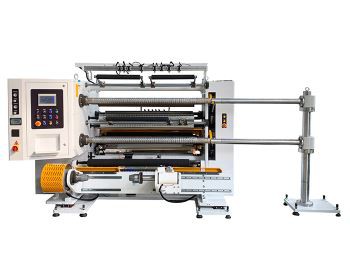
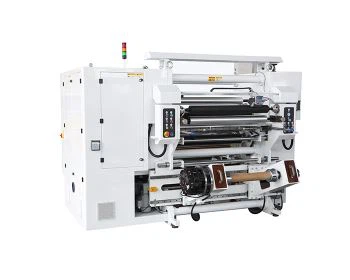
If you're working with rolls that are 12 inches or smaller in width, or you only rewind small batches every now and then, a small rewinding machine is perfect. These are designed specifically for low-volume use and compact spaces. For example, our Small Rewinding Machine is built to fit on a standard workbench, with a lightweight frame that's easy to move if you need to clear space for other projects. It handles materials up to 10 inches in diameter, so you can rewind vinyl rolls, small plastic film batches, or paper for home printing without hassle.
One of the biggest benefits of small models for home use is their price point-they're a fraction of the cost of industrial units, with no complex installation required. You just plug it into a standard wall outlet, and you're ready to go. No need for special wiring or a dedicated workspace. I've had customers who are freelance graphic designers use these for rewinding sticker vinyl, and home bakers use them to prepare thin plastic film for packaging custom cookie batches. The key here is that it's not overbuilt for heavy use, but it's durable enough for consistent home hobby or small business projects.
Mini High Speed Two Way Automatic Rewinding and Doctor Machine for Plastic Film
If plastic film is your main material-whether you're working on DIY packaging, small-scale art projects, or prototype testing-our Mini High Speed Two Way Automatic Rewinding and Doctor Machine for Plastic Film is a game-changer for home users. Don't let the word "high speed" scare you; this model is designed for controlled, steady speed (up to 100 feet per minute, which is more than enough for home projects) and runs quietly, so you can use it in a home office or garage without disruption.
What makes this model ideal is the two-way rewinding function, which means you can rewind and unwind in either direction, perfect for adjusting film layers or correcting small wrinkles without starting over. The doctor feature helps smooth out any bubbles or uneven stretches in the plastic film, which is a huge plus if you're working on custom projects where consistency matters. For home users who work with plastic film, this model eliminates the tedious process of hand-smoothing and rewinding, saving you hours of time on every batch. It's also compact enough that it doesn't take up more space than a standard desk printer.
Inkjet Print Rewinding Machines for Home Printing Projects
Another common use case for home users is rewinding material that's been inkjet printed-like custom stickers, banners, or photo prints. Trying to wind inkjet-printed material by hand almost always leads to smudges or creases, which ruins the final product. That's where an Inkjet Print Rewinding Machine comes in. These are designed specifically for materials that have recently been printed, with a gentle tension system that prevents smudging while rewinding.
Our Inkjet Print Rewinding Machine is compact, with adjustable tension settings that work for thin vinyl, paper, or even flexible plastic film. It has a built-in counter that lets you set the exact length you need, so you don't end up with extra material that goes to waste. A lot of our home customers who have small home-based print businesses swear by this model-whether they're making custom wedding invitations, small batch stickers, or promotional flyers. It's easy to load printed rolls, and the automatic stop function means you don't have to hover over the machine while it works.
Plastic Film Rewinding Machines for Versatile Home Use
If you work with multiple types of plastic film and need a machine that can handle various sizes and weights, our Plastic Film Rewinding Machines line includes options that fit home use perfectly. While some models in this line are for industrial settings, there are compact variants designed for small spaces that still deliver the precision of larger units. These models handle film thickness from 10 microns to 100 microns, so you can rewind everything from thin cling film for craft projects to thicker plastic sheeting for DIY construction or garden projects.
The best part about these models is their adjustable roll holders-you can swap out cores easily, which is important if you work with different sizes of rolls for various projects. For home users who don't want to buy a separate machine for each type of material, this versatility makes the investment worth it. I've had a customer who does small-scale hydroponics use one of these to rewind plastic sheeting for growing trays, and a jewelry maker use it for rewinding flexible plastic film for packaging custom pieces. It's a versatile tool that adapts to what you're working on, not the other way around.
What to Avoid When Shopping for a Home Rewinding Machine
While there are great options for home use, there are also some machines that are better suited for factories, and you should avoid them if you're working at home. Industrial rewinding machines are often too big, too loud, too expensive, and require regular maintenance that's hard to do on your own. They're also built for 8+ hour runs, which means they're overkill for the 30-minute to 2-hour projects most home users are doing.
Another thing to watch out for is cheap, no-name machines sold on online marketplaces. While they might seem like a good deal, they often have low-quality tension systems that lead to uneven rewinding, and they're not built to last. I've had customers come to us after buying a $200 rewinding machine that broke after a few uses-their tension knobs stripped, or the motor burned out because it wasn't designed for intermittent home use. Investing in a machine that's built for low-volume, occasional home use will save you money and frustration in the long run.
Real-World Examples of Home Users Using Rewinding Machines
Let me share a few stories from our customers to put this in perspective. Last year, I talked to a woman named Maya who runs a small Etsy shop making custom vinyl stickers. She was manually rewinding every roll of vinyl she bought, and it was taking her 2-3 hours every week-time she could have spent designing new stickers. She bought our Small Rewinding Machine, and she told us it cut her rewinding time by 90%. "I used to dread rewinding," she said. "Now I just load the roll, set the speed, and let it run while I work on new designs. The result is so much more even than when I did it by hand-my stickers look more professional, and I don't waste half a roll because of tangles."
Another customer is a freelance graphic designer named Raj who does a lot of custom poster printing for local businesses. He was using a small desktop printer that printed on paper and thin plastic, and he had to rewind every printed sheet by hand, which often led to smudges. He tried our Inkjet Print Rewinding Machine, and he says it changed his workflow. "The tension is perfect for the paper I use," he explained. "I can print a batch of 50 posters, load them onto the rewinder, and come back to a neatly wound roll without a single smudge. It's small enough to fit in my home office, and it's quiet enough that I can use it while my kids are doing homework in the next room."
Final Thoughts: Is a Rewinding Machine Worth It for Home Use?
At the end of the day, whether a rewinding machine is right for your home depends on how much time you spend rewinding materials, how important precision and consistency are for your projects, and what types of materials you work with. If you only rewind a small amount of material once a month, you might be fine sticking with hand rewinding. But if you're spending multiple hours a week on rewinding, or you care about the quality of your finished product (whether it's stickers, packaging, or prints), a compact home-use rewinding machine is a worthy investment.
The key is to match the machine to your specific needs. If you work primarily with plastic film, our Mini High Speed Two Way Automatic Rewinding and Doctor Machine for Plastic Film or Plastic Film Rewinding Machines are great options. If you work with inkjet-printed materials, our Inkjet Print Rewinding Machine is designed to handle that specific use case. For general small-scale projects, the Small Rewinding Machine is a versatile, budget-friendly choice that fits perfectly in a home workspace.
If you're ready to find the right rewinding machine for your home projects, you can explore our full line of compact models by visiting our website to browse detailed specifications and customer reviews. We're always here to help you figure out which machine works best for your specific needs-no pressure, just honest advice from a supplier who works closely with home users and small creators every day. Don't hesitate to reach out for more information or to discuss your project requirements.