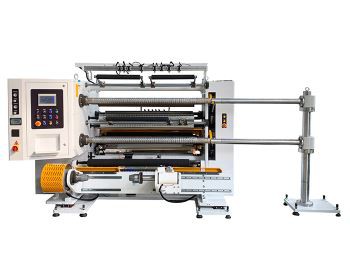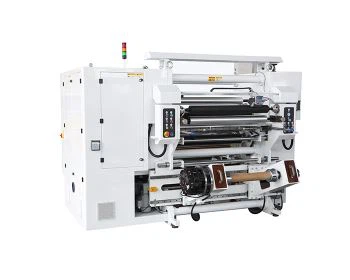
Hey there, if you're running an aluminum foil cutting machine, you already know that keeping those moving parts lubed isn't just a random task-it's the backbone of a smooth, efficient operation. I've been working with these machines for years as a supplier, and trust me, skipping this step leads to way more headaches than you'd think: worn-out bearings, off-cut edges, and even unplanned downtime that kills your production timeline. Today I'm breaking down exactly how to lubricate the moving parts of your aluminum foil cutting machine, no fancy jargon, just practical stuff I've learned on the job.
First, let's get one thing straight: every machine's parts are different. Whether you've got our standard Aluminium Foil Cutting Machine, the high-speed models, or the ones that handle laminated films, the lube needs shift a little. Let's start with the basics-knowing which parts need lube, because not every moving component is the same. You've got things like the main cutting blades, bearing housings, feed rollers, tensioning systems, and gearboxes. Each of these deals with different forces: some spin fast, some handle heavy tension, and a few even get exposed to tiny foil shavings. That's why using the wrong lube here is worse than using none at all.
Let's start with the most critical moving parts: bearings. These are like the silent workhorses of your machine, right? They hold the shafts that spin the rollers, slitting heads, and rewind components. There are two main types you'll run into on our machines: ball bearings and roller bearings. For regular ball bearings on the main slitting and rewind shafts, I recommend a food-grade, lithium-based grease with a NLGI grade of 2. Wait, food-grade? Yeah, if you're cutting aluminum foil for food packaging, any lubricant that comes into contact with the foil has to meet FDA standards. Skipping that could lead to contamination, which is a huge no-no for food suppliers. For roller bearings, common on higher-tension parts, go for a more heavy-duty, EP (extreme pressure) lithium grease-they handle the extra load from thick foil or laminated films way better.
Pro tip here: don't over-grease your bearings. I see this all the time-new operators think more is better, but excess grease traps foil dust and turns into a sludge that grinds bearings down faster. A good rule is to pack each bearing housing about ⅓ full when you do a full repack, or if you're using a grease gun, inject until you see a tiny bit of fresh grease come out the seal gap (that means you got it in there without overdoing it). For our High Speed Aluminium Foil Roll Slitting and Rewinding Machine, since those parts are spinning at super high RPM, you'll want to check bearings every 500 operating hours-way more often than a standard model.
Next up, gearboxes. These are the parts that transfer power from the motor to all the moving components, so they take a beating every single time you run the machine. The lube here is usually oil, not grease, because gears need the extra film of oil to prevent metal-on-metal grinding. What type of oil? Again, depends on your machine. For our Automatic Aluminum Foil Laminated Plastic Film Slitting Machine, which handles mixed materials, go for a ISO 220 or ISO 320 gear oil-thick enough to handle the tension between plastic and foil, thin enough to circulate properly. For lower-speed models like our basic Aluminium Foil Cutting Machine, ISO 150 works just fine.
Don't forget to change that gear oil regularly. Most manuals say every 2,000 operating hours, but if you're running 24/7 (which a lot of our customers do), bump that down to every 1,500. Before you top it off, drain the old oil completely and wipe out the gearbox with a clean cloth to get rid of any metal shavings or old sludge. If you notice the oil turning dark or smelling burnt mid-cycle, that's a sign you need to change it earlier-waiting will cause gear wear that costs way more than a few oil changes.
Then there's the part that actually does the cutting: the blade mechanism. Wait, do you lube the blades? No, not the cutting edges themselves-you want them sharp, not greasy. But the moving parts that hold and adjust the blades? Totally. Things like the blade adjustment screws, the knife holder pivots, and the gap adjustment levers. For these, a light, non-staining oil is the way to go. Something like 3-in-1 multi-purpose oil works, but even better, a dry lubricant spray (like Teflon-based) if you want zero chance of it transferring to the foil. Why? Because you don't want oil on the foil roll you're cutting-customers hate that. I've seen people use WD-40 here, but wait, WD-40 is a solvent, not a lubricant. It'll make things move smoothly for a week, then evaporate and leave everything drier than before. Stick to actual lubricating oil for these adjuster parts, and wipe any excess off right away so it doesn't drip onto the foil.
Feed rollers and tensioning systems are another pair that needs consistent lube. The feed rollers pull the foil through the machine at the right speed, and tensioners make sure it doesn't wrinkle or slip. Both have small bearings, pins, and sliding components that seize up if neglected. For these parts, a light grease (NLGI 00 or 1) is perfect-thin enough to not attract too much foil dust, but thick enough to stay where it's supposed to. Every time you do a machine clean (most teams do this daily after a shift), spray a little lube on these and move the parts back and forth a few times to work it in. If you're running our Hi Speed Aluminium Foil Slitting Machine, those rollers are spinning so fast that dust can build up in minutes, so do this step twice a week, not just once.


Now, let's talk about timing. When should you do this lube? It's not a one-and-done job. I tell all our customers to set a routine based on their machine's usage. For machines running 8-hour days, 5 days a week: repack bearings every 600 hours, change gear oil every 1,800 hours, lube adjusters and tensioners weekly, and check feed rollers every two weeks. For 24/7 ops like food packaging facilities: bearings every 300 hours, gear oil every 1,200 hours, adjusters and tensioners every other day, feed rollers weekly. If you're noticing more noise than usual when the machine starts up, or the blades aren't cutting as straight, that's your sign to check lube before it turns into a bigger problem.
Also, a quick note about cleaning before lube. You can't just slather new grease on a dusty bearing-all that foil shavings and metal grit will mix with the lube and act like sandpaper. Before every lube session, blast the parts with compressed air (on low pressure so you don't damage seals) to blow away debris, then wipe with a lint-free cloth. For really grimy gearboxes, use a mild degreaser first, then let it dry completely before adding new oil. Skip harsh chemicals here-they can break down seals and cause leaks.
Wait, what about common mistakes I see people make all the time? Let's list them out so you don't do 'em. First, using the same lube for every part. A grease that works for bearings will gum up adjuster screws, and gear oil will attract too much dust on small rollers. Second, waiting way too long. I had a customer once skip bearing lube for 3 months-ended up with a seized rewind shaft, which bent a roller and cost them $2,000 in parts and downtime. Don't be that guy. Third, ignoring seals. If a seal is cracked or missing, debris will get in no matter how much lube you use. Check seals every time you do a lube run and replace 'em if needed-small fix that prevents big issues.
If you're still shopping around for a machine that's easy to maintain (because let's be real, maintenance is half the cost of running equipment), we've got a range that fits different needs. Our standard Aluminium Foil Cutting Machine is great for small to mid-sized shops, while our High Speed Aluminium Foil Roll Slitting and Rewinding Machine is built for high-volume runs with less downtime. For businesses that handle laminated foil or other flexible packaging, the Automatic Aluminum Foil Laminated Plastic Film Slitting Machine is made to handle those materials without extra wear. No matter which model you go with, following these lube steps will keep it running for years.
At the end of the day, lubricating your moving parts isn't rocket science-it's just consistency. Spend 15 minutes a week checking and lubing, and you'll avoid hours of downtime and costly repairs. If you have questions specific to your machine, or you're in the market for a new aluminum foil cutting machine that's built to make maintenance easier, reach out to our team anytime. We're here to help you keep your production line moving smoothly.