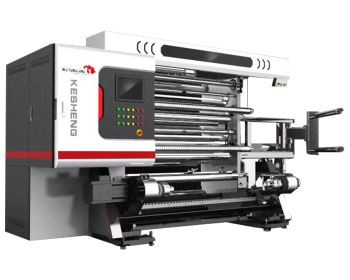
How to maintain the rewinding quality of a small rewinding machine?
As a trusted supplier of small rewinding machines, we understand the critical role that these machines play in various industries. Whether you're working with plastic films, labels, or paper, the quality of the rewinding process can significantly impact the overall output of your production line. In this blog post, we'll share some valuable insights on how to maintain the rewinding quality of a small rewinding machine, ensuring consistent and high - quality results.
Understanding the Basics of Small Rewinding Machines
Before delving into the maintenance tips, it's essential to have a basic understanding of small rewinding machines. These machines are designed to rewind materials such as plastic films, labels, and papers onto a new core or roll. The process involves unwinding the material from a large roll, passing it through various mechanisms for inspection, slitting, or printing, and then rewinding it onto a smaller, more manageable roll.
There are different types of small rewinding machines available in the market, each with its own set of features and capabilities. For example, the Mini High Speed Two Way Automatic Rewinding and Doctor Machine for Plastic Film is specifically designed for plastic film rewinding, offering high - speed and automated operation. On the other hand, the Jumbo Roll Slitting and Rewinding Machine is suitable for slitting large rolls and then rewinding the smaller strips.
Regular Cleaning and Lubrication
One of the most fundamental steps in maintaining the rewinding quality of a small rewinding machine is regular cleaning and lubrication. Over time, dust, debris, and residue from the materials being rewound can accumulate on the machine's components, such as rollers, guides, and cutting blades. This buildup can cause uneven tension, scratches on the material, and even mechanical failures.
To clean the machine, start by turning it off and unplugging it from the power source. Use a soft, dry cloth to wipe down the exterior surfaces of the machine. For hard - to - reach areas, you can use a compressed air canister to blow away dust and debris. When cleaning the rollers and guides, be careful not to damage the surface. You may use a mild cleaning solution if necessary, but make sure to dry the components thoroughly afterward.
Lubrication is also crucial for the smooth operation of the machine. Check the manufacturer's guidelines to determine the appropriate lubricant to use and the recommended intervals for lubrication. Apply the lubricant to the moving parts, such as bearings, gears, and chains, in the specified amounts. Over - lubrication can attract more dust and debris, so it's important to follow the instructions carefully.
Tension Control
Proper tension control is vital for maintaining the rewinding quality. If the tension is too high, the material may stretch or break during the rewinding process. On the other hand, if the tension is too low, the material may wrinkle or become loose on the roll.
Most small rewinding machines are equipped with tension control systems. These systems can be either manual or automatic. Manual tension control requires the operator to adjust the tension based on the material being rewound and the desired outcome. Automatic tension control systems, on the other hand, use sensors to detect the tension and adjust it automatically.
To ensure accurate tension control, it's important to calibrate the tension control system regularly. This can be done by following the manufacturer's instructions. Additionally, make sure to check the tension during the rewinding process and make any necessary adjustments.
Inspection of Cutting and Printing Components
If your small rewinding machine is equipped with cutting or printing capabilities, such as the Automatic High - speed Double - side Inkjet Printing Inspection Rewinding Machine and Inkjet Print Rewinding Machine, regular inspection of these components is essential.
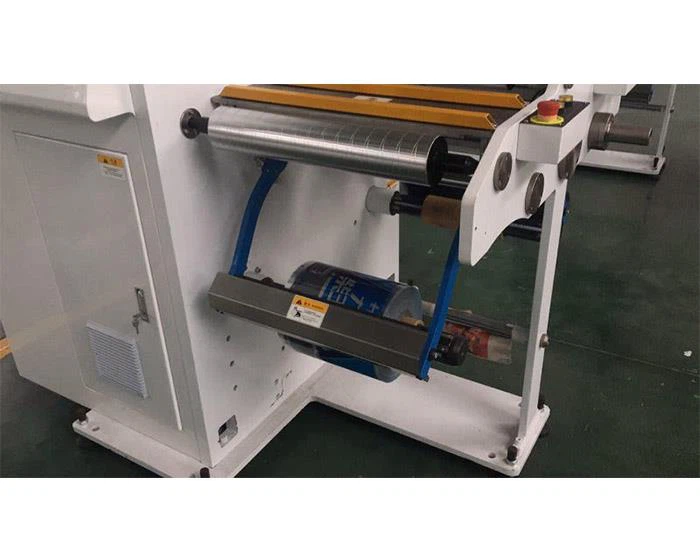

For cutting blades, check for signs of wear and tear. Dull blades can cause uneven cuts, which can affect the quality of the rewound material. Replace the blades when they become too dull or damaged. When inspecting printing components, such as inkjet heads, check for clogs or misalignment. Clean the inkjet heads regularly according to the manufacturer's instructions to ensure clear and accurate printing.
Alignment of Rollers and Guides
The alignment of rollers and guides is crucial for the smooth movement of the material through the rewinding machine. Misaligned rollers or guides can cause the material to skew, resulting in uneven rewinding.
Periodically check the alignment of the rollers and guides. You can use a straightedge or a laser alignment tool to ensure that they are parallel and in the correct position. If you notice any misalignment, adjust the rollers or guides according to the machine's manual.
Operator Training
Even the most advanced small rewinding machine will not perform at its best without a well - trained operator. Provide comprehensive training to your operators on how to operate the machine correctly, including loading the material, setting the parameters, and troubleshooting common issues.
Operators should be aware of the importance of maintaining the rewinding quality and the steps they need to take to ensure it. Encourage them to report any problems or abnormalities they notice during the operation of the machine immediately.
Quality Control Checks
Implement a regular quality control check system to monitor the rewinding quality. This can include visual inspections of the rewound rolls, measuring the thickness and width of the material, and checking for any defects such as wrinkles, scratches, or uneven tension.
Keep records of the quality control checks to track the performance of the machine over time. If you notice a decline in the rewinding quality, you can use these records to identify the root cause of the problem and take corrective actions.
Conclusion
Maintaining the rewinding quality of a small rewinding machine requires a combination of regular maintenance, proper operation, and quality control. By following the tips outlined in this blog post, you can ensure that your small rewinding machine operates at its best, producing high - quality rewound materials consistently.
If you're in the market for a small rewinding machine or need further advice on maintaining the rewinding quality, we're here to help. Our team of experts can provide you with detailed information about our products, such as the Label and Paper Rewinding Machine, and offer customized solutions to meet your specific needs. Contact us today to start a conversation about your rewinding requirements.