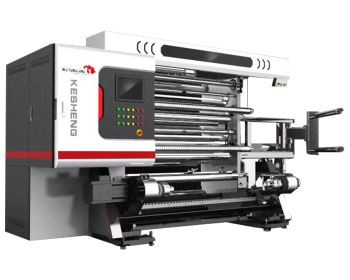
Hey there! As a supplier of small slitting machines, I often get asked about the types of blades used in these machines. It's a crucial topic because the right blade can make a huge difference in the performance and efficiency of your slitting operations. So, let's dive right in and explore the different kinds of blades you can use in a small slitting machine.
Rotary Blades
Rotary blades are one of the most common types used in small slitting machines. These blades are circular in shape and rotate around a central axis. They're great for continuous cutting applications, as they can handle a high volume of work without getting too hot.
One of the advantages of rotary blades is their versatility. They can be used to cut a wide range of materials, including plastic films, paper, and even thin metals. For example, if you're working with a High Speed Slitter for Plastic Film, a rotary blade can make clean, precise cuts at high speeds.
Another benefit is their long lifespan. With proper maintenance and sharpening, rotary blades can last a long time, which helps to keep your operating costs down. However, they do require a bit of skill to install and adjust, so you might need to have a technician on hand to help with that.
Shear Blades
Shear blades work by using a pair of blades that slide past each other to cut the material. This type of blade is ideal for cutting thicker materials, such as cardboard, thick plastic sheets, and textiles.
The way shear blades work is similar to how scissors cut paper. One blade is fixed, and the other blade moves across it to create a shearing action. This action results in a clean, smooth cut with minimal fraying or tearing of the material.


If you're using a Thick film or PET PVC Paper slitting machine KWF - B, shear blades are probably a good choice. They can handle the thickness and toughness of the materials processed by this machine, ensuring that you get high - quality cuts every time.
Score Blades
Score blades are designed to create a shallow cut or score in the material. This is useful when you want to break or fold the material along a specific line later on. Score blades are commonly used in the packaging industry for cutting corrugated cardboard or creating easy - tear lines on plastic bags.
These blades are relatively simple in design. They typically have a sharp edge that presses into the material to create the score. They're not meant to completely cut through the material but rather to weaken it so that it can be easily separated later.
If you're into manufacturing products like bottle labels and need a Bottle Label Slitting Machine, score blades can be used to create perforations or scores that make it easier to apply the labels.
Razor Blades
Razor blades are known for their extreme sharpness. They're made from very thin, high - quality steel and are capable of making extremely precise cuts. Razor blades are often used for cutting delicate materials like thin plastic films, tissue paper, and photographic films.
One of the key advantages of razor blades is their ability to make clean cuts without causing any damage to the surrounding material. This is especially important when working with materials that are easily damaged or have a high aesthetic value.
For a Plastic Film Jumbo Roll Slitting Machine, razor blades can ensure that the plastic film is cut smoothly and accurately, without any rough edges or tears.
Circular Tungsten Carbide Blades
Circular tungsten carbide blades are a more heavy - duty option. Tungsten carbide is an extremely hard and durable material, making these blades suitable for cutting tough materials like fiberglass, carbon fiber, and some types of metals.
These blades have a long service life and can maintain their sharpness even after extended use. However, they are more expensive than other types of blades, so you need to make sure that they're the right choice for your specific application.
Factors to Consider When Choosing Blades
When choosing the right blade for your small slitting machine, there are several factors you need to consider:
Material
The type of material you're cutting is the most important factor. Different materials require different blade types to get the best results. For example, if you're cutting plastic films, a rotary or razor blade might be a good choice, while for thick cardboard, shear blades are more appropriate.
Cutting Speed
The speed at which your machine operates also affects the blade choice. High - speed machines need blades that can handle the stress of fast cutting without overheating or losing their sharpness. Rotary blades are often a good option for high - speed applications.
Precision Requirements
If your application requires a high level of precision, such as in the production of labels or electronic components, you'll need a blade that can make accurate cuts. Razor blades and score blades are typically used for applications where precision is key.
Budget
Finally, your budget plays a role in your blade selection. Some blades, like circular tungsten carbide blades, are more expensive than others. You need to balance your quality requirements with your budget to find the best option for your business.
Conclusion
Choosing the right blade for your small slitting machine is essential for achieving optimal performance and quality. Whether you're cutting plastic films, paper, cardboard, or other materials, there's a blade type that's perfect for your needs. If you're still not sure which blade to choose, don't hesitate to reach out for advice.
We, as a small slitting machine supplier, are always here to help you find the most suitable blade and slitting machine for your operations. If you're interested in learning more about our products, including our Slitting Machine for Plastic Flim, or if you want to discuss your specific requirements, feel free to contact us. We're ready to have a detailed negotiation with you and help you take your slitting operations to the next level.