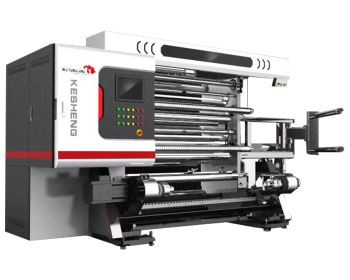
Can a Mini Slitting Machine be used for cutting food - grade materials?
In the manufacturing and processing industries, the demand for precision and efficiency is ever - growing. One crucial piece of equipment that has gained significant popularity is the mini slitting machine. As a supplier of mini slitting machines, I often get asked whether these machines can be used for cutting food - grade materials. This blog aims to explore this question in detail.


Understanding Mini Slitting Machines
Mini slitting machines are compact, versatile tools designed to cut large rolls of material into narrower widths. They are commonly used in various industries, including packaging, printing, and plastic film processing. These machines offer several advantages, such as space - saving design, ease of operation, and cost - effectiveness, making them an attractive option for small to medium - sized businesses.
Our company offers a range of high - quality mini slitting machines, including the Small Slitting Machine. These machines are engineered with precision to ensure accurate cuts and reliable performance, even for continuous operation.
Food - Grade Materials: Requirements and Considerations
Food - grade materials are substances that are safe for direct or indirect contact with food. They must meet strict regulatory standards to ensure that they do not contaminate the food with harmful chemicals, toxins, or microorganisms. Some common food - grade materials include plastic films (such as PET, BOPP), paper, and aluminum foil.
When it comes to using a slitting machine for food - grade materials, several factors need to be considered:
Material Compatibility
The first and foremost consideration is whether the slitting machine is compatible with the food - grade material. Different materials have different physical properties, such as strength, flexibility, and thickness. For example, PET film is a popular food - grade plastic due to its high tensile strength and excellent barrier properties. A slitting machine used for cutting PET film must be able to handle its specific characteristics without causing damage or contamination.
Hygiene and Cleanliness
Hygiene is of utmost importance when dealing with food - grade materials. The slitting machine must be easy to clean and sanitize to prevent the buildup of dirt, debris, and bacteria. Non - porous materials, such as stainless steel, are often preferred for the machine's contact parts to ensure easy cleaning and resistance to corrosion. Regular maintenance and cleaning procedures should be established to maintain the cleanliness of the machine.
Precision Cutting
Precision is crucial in food packaging. Inaccurate cuts can lead to problems such as uneven sealing, leakage, or waste of materials. A high - quality mini slitting machine, like our High Speed Plastic Film Slitter Rewinder Machine, is capable of providing precise cuts, ensuring that the food - grade materials are cut to the exact width and length required for packaging.
Can Mini Slitting Machines be Used for Cutting Food - Grade Materials?
The answer is yes, but with certain conditions. Mini slitting machines can be used for cutting food - grade materials as long as they are properly designed, maintained, and operated.
Design Considerations
A slitting machine for food - grade materials should be designed with food safety in mind. This includes using food - grade lubricants, avoiding the use of materials that can leach harmful substances, and having a design that minimizes the risk of contamination. For example, the cutting blades should be made of high - quality, non - reactive materials that will not contaminate the food - grade materials during the cutting process.
Maintenance and Operation
Proper maintenance and operation are essential to ensure the safety of using a mini slitting machine for food - grade materials. Operators should receive thorough training on how to clean and maintain the machine. Regular inspections should be carried out to check for any signs of wear and tear that could affect the quality of the cuts or pose a safety risk.
Regulatory Compliance
It is important to ensure that the slitting machine and the cutting process comply with relevant food safety regulations. This may involve obtaining certifications or approvals from regulatory authorities, such as the FDA (Food and Drug Administration) in the United States.
Examples of Food - Grade Material Cutting with Mini Slitting Machines
Let's look at some specific examples of how mini slitting machines can be used for cutting food - grade materials:
Plastic Films
Plastic films are widely used in food packaging. Our High Speed Slitter for Plastic Film can effectively cut various types of food - grade plastic films, such as BOPP (Biaxially Oriented Polypropylene). BOPP Laminated Film Roll To Roll Slitting Machine is capable of handling BOPP laminated films, providing precise cuts for food packaging applications.
Paper and Foil
Mini slitting machines can also be used for cutting food - grade paper and aluminum foil. These materials are commonly used for wrapping and packaging food products. The machines can cut them into the desired widths to meet the specific requirements of different food packaging designs.
Conclusion
In conclusion, a mini slitting machine can be used for cutting food - grade materials, provided that it meets the necessary design, maintenance, and regulatory requirements. As a supplier of mini slitting machines, we are committed to providing high - quality equipment that is suitable for a wide range of applications, including food - grade material cutting.
If you are interested in purchasing a mini slitting machine for cutting food - grade materials or have any questions about our products, please feel free to contact us. We are ready to provide you with professional advice and solutions to meet your specific needs.