Hey everyone,
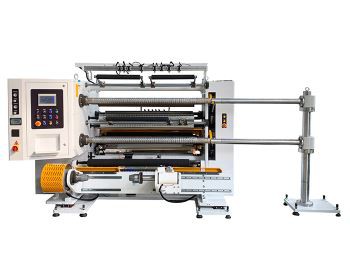
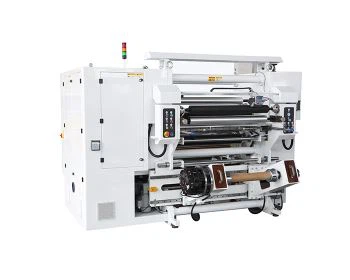
If you've ever wandered into a manufacturing shop, you've probably seen a wall of jumbo rolls being whittled down into smaller, usable pieces-whether that's plastic wrap, paper, or even labels. But I get it, there's always that one question that pops up when someone's shopping for slitting equipment: can this automatic slitting machine actually cut metal? As a supplier who's been working with these machines for years, I hear this all the time, and it's totally valid. After all, metal's way thicker and harder than the stuff most people associate with slitting-like the plastic film we handle with our Air Shaft Jumbo Roll Paper Slitting Machine or our Stretch Film Slitting Rewinding Machine. So let's dive into this, no fancy jargon, just the real talk about what these machines can (and can't) do when it comes to metal.
First off, let's get on the same page about what an automatic slitting machine actually does. At its core, it takes a big, wide roll of material, feeds it through a set of slitting blades, cuts it into narrower rolls or sheets, and rewinds it all automatically-no hand-cranking needed, which is a huge time-saver. When most people picture these machines, they think of thin, flexible materials: plastic, paper, foil, even the labels on water bottles. That's why we've got our High Speed Slitting Rewinding Machine built specifically for those fast-paced, lightweight applications, and our Bottle Label Slitting Machine that handles tiny, precise cuts for packaging. But metal? That's a different animal.
Wait, hold on-we're not talking about heavy steel plates here. Let's clarify the type of metal that's actually feasible. Automatic slitting machines work best with thin metal foils or very thin sheets-think aluminum foil (the kind used for food packaging, not construction), thin copper foil for electronics, or even thin steel foil used in some industrial parts. The key here is thickness: most standard automatic slitting machines are designed for materials under 0.5mm thick, tops. If you're trying to cut a 2mm steel sheet, this machine's not going to have enough power or the right blades to make a clean cut-you'd need a metal slitter or a laser cutter for that, not a slitting machine.
So why can automatic slitting machines handle thin metal? It all boils down to the blade system and the tension control. These machines use precision slitting blades-usually round, helical blades called "slitting knives" that are aligned perfectly to make a straight, even cut. For thin metal, you set the right tension on the roll as it feeds through-too much tension, and the metal will stretch or tear; too little, and it'll wrinkle or cut unevenly. When calibrated right, those blades slice through thin metal foil just like they slice through plastic or paper. I've seen this firsthand with a customer who was making aluminum blister packs for meds-they used to use manual cutters that left ragged edges, and once they switched our High Speed Horizontal Slitting Machine for Plastic Film (wait, they actually adjusted a few settings and swapped the blades for metal-grade ones) to slitting their aluminum foil, their defect rate dropped by 30% and production time doubled. That's the kind of win we love to see.
But here's the catch: not all automatic slitting machines are created equal for metal work. The standard ones we make for plastic and paper aren't built to handle metal's rigidity. Metal-grade automatic slitting machines have stronger frames, higher-torque motors, and blades made of harder materials like carbide or high-speed steel-stuff that can withstand the friction of cutting metal without dulling quickly. Also, the feed system has to be more precise; metal doesn't flex the way plastic does, so even a tiny misalignment in the blade gap can mess up the cut. Our standard models work great for their intended materials, but when it comes to metal, you need to look for a machine that's specifically engineered for that task.
I get why people are confused, too. When you search for slitting machines, most of the results are for plastic, paper, and labels-like the ones we linked earlier. But that doesn't mean they can't adapt for thin metal. It's just about matching the machine's specs to your material. If you've got thin metal foil and you're already using an automatic slitting machine for other materials, you could technically retrofit it with metal blades and adjust tension controls, but it's not the most efficient long-term move. The machine might wear out faster, and you won't get the same precision as a purpose-built metal slitting machine.
Another thing to consider: edge quality. For thin metal used in things like electronics or packaging, clean, burr-free edges are non-negotiable. A standard plastic slitting machine might leave tiny burrs on metal, which could cause issues later-like if the metal goes into a machine that needs smooth edges, or if it's used for food packaging where burrs could scratch or contaminate. Metal-grade slitting machines are designed to minimize burrs, so the finished product is ready to use straight from the machine.

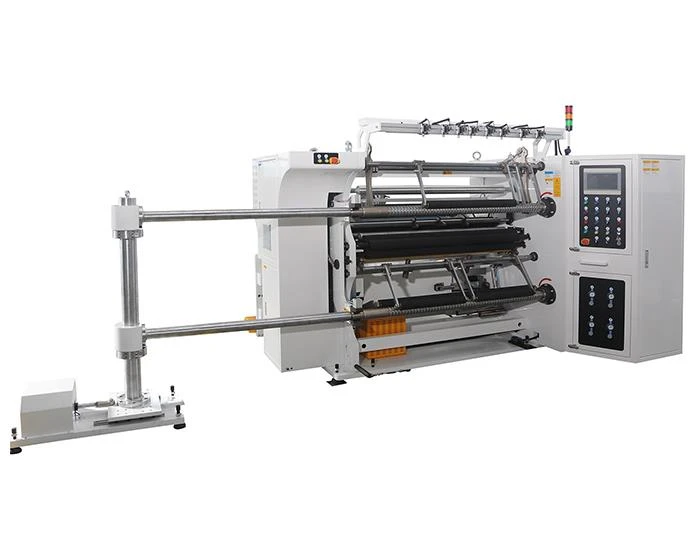
Let's talk about a real example. Last year, a customer reached out to us saying they were struggling with cutting thin copper foil for battery electrodes. They'd been using a used automatic slitting machine from a plastic manufacturer, and every roll had half a dozen bad cuts. We didn't have a pre-made metal model, but we adjusted our High Speed Slitting Rewinding Machine with carbide blades, reinforced the feed rollers to handle the metal's tension, and calibrated the blade gap to 0.1mm (super precise for thin foil). After that, their scrap rate went from 12% to 1%, and they were able to keep up with their client's tight deadlines. That's when I realized-this isn't a yes or no question, it's a "what kind of metal, and what machine are you using?" question.
So, to circle back to the original question: can an automatic slitting machine be used for cutting metal materials? The short answer is: only if it's the right type of automatic slitting machine, and only for thin metal (foils or very thin sheets). If you're dealing with thick, rigid metal, forget it-you need dedicated metal cutting equipment. If you're dealing with thin metal foil, there are automatic slitting machines (you just have to make sure they're set up for metal) that work perfectly.
I've been in this business for over a decade, and the biggest mistake I see people make is assuming all slitting machines are the same. We build different models for different needs-our Air Shaft Jumbo Roll Paper Slitting Machine is great for thick paper rolls, but you wouldn't use that to cut plastic stretch film (even though they're similar in flexibility). Same with metal: a machine that works for aluminum foil won't work for thick steel, and vice versa.
If you're reading this and you're wondering whether your current machine can handle metal, or if you need a new one, here's what to check: first, the material thickness. If it's over 0.5mm, automatic slitting machine probably isn't the way to go. If it's under that, look for a machine with heavy-duty construction, metal-grade blades, and precise tension control. And if you're not sure, just reach out-we've helped tons of clients figure out what machine works for their specific material, whether that's plastic, paper, labels, or thin metal.
At the end of the day, automatic slitting machines are versatile, but they're not universal. They work wonders on their intended materials, and with the right tweaks, they can handle thin metal too. The key is knowing your equipment and your material, so you don't waste time or money on a machine that's not a good fit.
If you're in the market for an automatic slitting machine and you're not sure whether it'll work for metal, or if you want to check out our range of slitting equipment for different materials (including the ones we linked earlier-they've got all kinds of options for plastic, paper, and labels), just get in touch with our team. We're here to help you find the right solution for your needs, no pressure, no salesy nonsense.