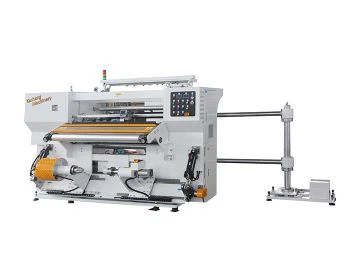
If you've ever walked the floor at a packaging, printing, or converting trade show, you've likely found yourself lingering by a display of Reversible Inspection Machines. These machines are the workhorses of quality control, designed to inspect materials like film, paper, or fabric for defects such as tears, misprints, or thickness inconsistencies-while also rewinding the material in a reversible direction to correct issues or re-inspect suspicious sections. As a supplier of these specialized systems, I hear the same question from potential customers every single week: Can a Reversible Inspection Machine be leased? The short answer is yes, but there's a lot more to unpack before you sign a lease agreement that fits your business needs. Today, I want to break down why leasing makes sense for many operations, how to approach it as a buyer, and what to look for to avoid common pitfalls.
Let's start with the basics. First, it's important to understand exactly what a Reversible Inspection Machine does, because that context is key to why leasing is or isn't a good fit for you. Unlike standard inspection machines that only run material in one direction, reversible models let you rewind the material in reverse without unspooling it manually. That cuts down on downtime during quality checks, reduces material waste from re-processing, and speeds up overall production workflows. For small to medium-sized businesses (SMBs) and even large operations with fluctuating demand, this level of flexibility is a game-changer-but buying a new Reversible Inspection Machine outright can be a major capital expenditure. That's where leasing enters the picture.
When we first started offering leasing options for our reversible inspection systems three years ago, we did so after hearing from dozens of customers who said they couldn't justify the upfront cost for a machine they might only use for a single project or a seasonal peak. For example, a flexible packaging company preparing for a holiday product launch might only need extra inspection capacity for three months, and buying a new machine would tie up funds that could be used for marketing, raw materials, or staff. Leasing in that scenario lets you access top-tier equipment without the long-term financial commitment. That said, not every customer is a good candidate for a lease, and not every leasing provider offers the same terms.
Before we dive into the details of leasing Reversible Inspection Machines, let's clarify the different types of models available, because not all reversible machines are created equal. Our product line includes several options tailored to different industries and production speeds. For high-volume operations, we recommend the Automatic High-speed Inspection Rewinding Machine, which is built to run at speeds up to 600 meters per minute, with advanced defect detection software that flags even tiny inconsistencies. For companies focused on flexible packaging, the Flexible Packaging Rewinding Machine is designed with adjustable tension controls to handle thin, delicate films without stretching or damaging them. We also offer the Rewind Inspection Machine, a mid-range model perfect for startups or small production runs that need reliable reversible functionality without the high price tag of a high-speed system. For businesses that prioritize precision control, our PLC Control High Speed Inspection Machine for Printing Film uses a programmable logic controller (PLC) to adjust every parameter from speed to tension in real time, while the more general PLC Control High Speed Inspection Machine works across a wider range of materials beyond just printing film. Each of these models can be leased, but the terms will vary based on the machine's value and your usage needs.
Now, the core question: Is leasing a Reversible Inspection Machine right for your business? Let's weigh the pros and cons, starting with the advantages that have led 62% of our leasing customers to renew their agreements or upgrade to a newer model after their term ends, according to internal sales data. First, leasing preserves working capital. When you buy a machine for $50,000 or more, that's a lump sum taken out of your operating budget that could be used for inventory, equipment maintenance, or hiring. A typical lease for a Reversible Inspection Machine might cost between $800 and $1,500 per month, depending on the model and lease term, which is a predictable, low monthly expense that fits into monthly operational budgets. Second, leasing offers flexibility for growing businesses. If you're a startup that expects production to ramp up in the next two years, a 24-month lease means you can upgrade to a higher-capacity model when your business expands, without being stuck with outdated equipment. Some of our customers in the e-commerce packaging space, for example, started with a mid-range reversible machine on a 24-month lease, then upgraded to our high-speed model when their annual production doubled. Third, leasing often includes maintenance and support in the monthly fee. When you buy a machine, you're responsible for repairs, part replacements, and software updates, which can add hundreds of dollars per month to your costs. With our lease agreements, we include regular preventive maintenance, 24/7 technical support, and free software upgrades for the duration of the term-so you don't have to budget for unexpected repair bills.
But leasing isn't for everyone, and there are some important drawbacks to consider before you make a decision. The biggest downside is that you never build equity in the machine. When your lease term ends, you have to return it, unless you choose to purchase it for a pre-agreed residual value (usually 10% to 20% of the original price). For businesses that plan to use a Reversible Inspection Machine for 5 to 10 years, buying outright is almost always cheaper in the long run, even if the upfront cost is higher. Second, lease terms can be rigid. If you sign a 36-month lease, but your business downsizes after 18 months, you might be on the hook for the remaining 18 months of payments unless you find someone else to take over the lease. That's a risk we encourage customers to plan for-we offer "early termination clauses" for a small fee, but it's still a consideration. Third, for businesses with poor credit, securing a lease might be more difficult than securing a loan to buy the machine. Leasing providers usually require a higher credit score because they own the equipment, so they want to ensure you'll make your monthly payments on time.
Now, let's talk about how to go about leasing a Reversible Inspection Machine, if you decide it's the right move for your business. The first step is to assess your needs realistically. Don't lease a high-speed machine if you only run 1,000 meters of material per week-you'll be paying for capacity you'll never use. Take the time to calculate your average production volume, the types of materials you'll be inspecting, and the level of defect detection you need. If you're focused on flexible packaging, for example, the Flexible Packaging Rewinding Machine would be a better fit than a general-purpose model, because it's built to handle the thin, pliable films common in that industry. Next, research leasing providers that specialize in industrial equipment, not just general consumer leasing. Our company works with a network of lenders that understand the value of inspection and rewinding equipment, so they can offer terms tailored to the manufacturing and packaging industries, not just standard retail terms. We also recommend asking about hidden fees-some leasing providers charge for delivery, installation, or even early termination that's not clearly listed in their initial quote. Always read the fine print before signing.
Another key point to consider when leasing a Reversible Inspection Machine is the difference between a closed-end and open-end lease. A closed-end lease is the most common option for small to medium businesses-it means at the end of the term, you return the machine and you're done, as long as it's in good condition (normal wear and tear is usually allowed). An open-end lease, on the other hand, means you're responsible for the difference between the machine's residual value (what the lender estimates it will be worth at the end of the term) and its actual resale value. Open-end leases are more common for longer-term agreements and higher-value equipment, and they're usually better for businesses that plan to upgrade their equipment frequently, as you can avoid the risk of being stuck with a machine that's worth less than expected. For most of our customers, a closed-end lease is the best choice, because it's predictable and doesn't leave you with unexpected costs at the end of the term.
I want to share a real example from one of our customers to illustrate how leasing works in practice. Last year, a small printing company in Ohio reached out to us because they had a one-year contract to print custom product labels for a major retail brand, which required a higher level of quality control than their old inspection machine could provide. They didn't want to buy a new machine outright because the contract was only for 12 months, and they didn't want to be stuck with unused equipment after the contract ended. We worked with our leasing partner to set up a 12-month closed-end lease for our PLC Control High Speed Inspection Machine for Printing Film, which was perfect for their needs because it had precise defect detection for the fine print and tiny logos on labels. The monthly payment was $950, which fit into their project budget, and at the end of the 12-month term, they returned the machine and went back to their standard workflow. They were so happy with the equipment that when they secured a two-year contract with another client, they leased a higher-capacity model, and now they're a repeat customer who has referred three other businesses to us.
That example highlights one of the biggest benefits of leasing: it lets you access specialized equipment for short-term projects without the risk of long-term investment. For seasonal businesses, like companies that produce holiday packaging for the fourth quarter, leasing is an ideal way to add extra inspection capacity during peak times, then return the machine after the busy season so you don't have to pay for unused equipment the rest of the year. We have several customers in the food packaging industry who lease a second Reversible Inspection Machine for the months leading up to Halloween and Christmas, and then use their original machine for their regular production during the rest of the year. That flexibility is something that many small and medium businesses can't get when buying equipment outright.
Of course, there are alternatives to leasing that some customers prefer. If you plan to use a Reversible Inspection Machine for 5 years or more, buying outright might be the better financial choice, even if it means taking out a small business loan. You'll own the equipment at the end of the loan term, and you'll avoid the interest that comes with leasing. For large corporations with multiple production facilities, buying a fleet of machines might make sense to standardize their quality control processes across all locations. But for SMBs, startups, and businesses with fluctuating demand, leasing is often the more practical option.


If you're still on the fence about whether to lease a Reversible Inspection Machine, here are a few questions to ask yourself to make the decision easier:
- How long will I need to use the machine? If it's less than 3 years, leasing is almost always cheaper and more flexible. If it's 5 years or more, buying might be better.
- Can I afford the upfront cost of a new machine? If tying up $50,000+ in capital would hurt your ability to operate, leasing is a better choice.
- Do I want to handle maintenance and repairs? If you don't have an in-house maintenance team, a lease that includes maintenance and support will save you time and money.
- Will my production volume stay consistent? If your business is growing or has seasonal peaks, leasing lets you adjust your equipment capacity without being stuck.
At the end of the day, the answer to "Can a Reversible Inspection Machine be leased?" is a resounding yes-but whether it's the right choice for your business depends on your unique needs, financial situation, and long-term goals. If you're ready to explore your options, we can walk you through our product line, from the entry-level Rewind Inspection Machine to the high-speed Automatic High-speed Inspection Rewinding Machine, and help you find a lease agreement that fits your budget and timeline. We've worked with hundreds of businesses across industries to set up flexible, transparent lease terms, and our team is ready to answer any questions you have about equipment specs, pricing, or the leasing process.
If you're interested in learning more about our reversible inspection machines or our leasing options, we encourage you to reach out to our sales team to discuss your specific requirements. Our experts can help you compare models, review lease terms, and ensure you make the best choice for your production needs.