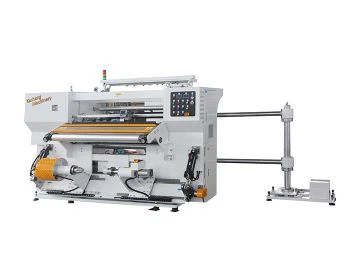
If you're running a small-scale packaging, printing, or flexible materials operation, your Mini Slitting Machine is likely one of the workhorses keeping production moving. As a supplier of slitting solutions, I've talked to dozens of operators who ask the same question: "When do I need to swap out the blades?" The truth is, there's no one-size-fits-all answer-but getting this right is critical. Replace too early, and you'll waste money on unnecessary parts; replace too late, and you'll deal with ruined materials, downtime, and inconsistent cuts that eat into your profits. Today, I'm breaking down what determines blade lifespan, how to spot when it's time for a change, and best practices to make your blades last as long as possible.
What Makes Mini Slitting Machine Blades Wear Out?
First, let's talk about why blades wear. Mini slitting machines are built to handle thin, flexible materials-think packaging film, PET film, paper, or even thin aluminum foil-so their blades are sharp, precision-ground tools. But even the best blades degrade over time, and how quickly depends on a few key factors: the material you're slitting, the volume you're running, and how you maintain your machine.
For example, if you're slitting thick PET film or other hard, rigid materials, those blades will take a lot more abuse than if you're slitting soft polyethylene packaging film. The PET film exerts more friction on the blade edge, causing microscopic chips and dulling much faster. I see this a lot in operations that run the Slitting Machine for PET Flim we supply-those blades often need replacement every 2-3 months if running 24/7, whereas a machine handling standard packaging film might go 6 months or more.
Volume is another big one. A Mini Slitting Machine that runs 8 hours a day, 5 days a week will naturally have longer blade life than one running two shifts. We've had customers with our Automatic High Speed Packaging Film Slitting Machine that process 10,000+ linear feet of film daily report blade changes every 4 months, while those running 2,000 feet a week might go a year. Speed matters too-higher slitting speeds create more heat and friction, accelerating wear.
Poor maintenance can also shorten blade life. If you're not cleaning the machine regularly, debris and leftover material can scratch the blade edge. Misalignment of the slitter blades is a common culprit too-when the top and bottom blades aren't perfectly aligned, they rub against each other unevenly, causing dull spots even if the overall blade is still sharp.
How to Know When Your Mini Slitting Machine Blades Need Replacing
Knowing the signs of worn blades is key to avoiding production headaches. Let's go through the most common red flags:
1. Inconsistent or Jagged Cuts
The most obvious sign is a cut that looks rough. If your slitted edges are jagged, have burrs, or the width of the slits varies slightly, that's usually a sign the blade edge has dulled. For packaging materials, this can lead to finished rolls that are rejected because they don't meet quality standards. I had a customer last year who was cutting labels for food packaging-their dull blades were creating tiny burrs that got caught in the packaging process, leading to a 15% reject rate until we adjusted their blade schedule.
2. Material Tearing or Wrinkling
Dull blades don't cleanly slice through material-they tear it, which leads to wrinkles in the finished rolls. If you're noticing that your film is tearing instead of cutting cleanly, especially near the slits, it's time to check your blades. This is particularly problematic for thin packaging films, where a small tear can ruin an entire roll.
3. Increased Machine Resistance or Noise
If your Mini Slitting Machine is making more noise than usual when cutting, or if it's taking more power to run (you might notice a change in your energy bills, or the machine's motor is working harder), that's a sign the blades are rubbing instead of slicing. Dull edges require more force to cut through material, putting extra strain on the machine and accelerating wear on other parts too.


4. Higher Rewinding Issues
Many mini slitting operations pair their machines with rewinding functions to create finished rolls. If you're noticing that rolls are uneven, have gaps in the slits, or the material is slipping off the roll during rewinding, worn blades could be the cause. The inconsistent cuts from dull blades create uneven edges that make rewinding difficult. This is a common issue with operations using a Vertical Plastic Film Slitting and Rewinding Machine, since the rewinding process relies on precise, straight slits to produce uniform rolls.
5. Regular Blade Dressing No Longer Works
Some operators use blade dressing tools to sharpen slightly dull blades between full replacements. But if you're dressing the blades every week or two and still seeing the same cut issues, that means the blade is too worn for dressing-its edge has become uneven or chipped, so dressing won't bring back the sharpness you need.
Typical Replacement Schedules (By Machine Type)
While every operation is different, based on our experience as a slitting machine supplier, here's a general guideline for when you should plan to replace your Mini Slitting Machine blades:
- For light-duty packaging film slitting (low volume, soft materials): 6-12 months. This applies to operations running our Automatic High Speed Packaging Film Slitting Machine on standard polyethylene or polypropylene film, 1 shift a day.
- For medium-duty PET film or paper slitting (moderate volume): 3-6 months. Slitting PET film is more abrasive, so blades wear faster. Even with proper maintenance, these blades need replacement every 3-6 months for consistent cuts.
- For heavy-duty, high-volume operations (24/7, thick materials): 1-2 months. If you're running a PLC Control Vertical Automatic High Speed Slitting Machine processing heavy materials like thick PET film or laminated rolls around the clock, you'll likely need blade replacement every 1-2 months.
It's important to note that these are rough estimates, not hard rules. The best way to track blade life is to keep a log: note when you installed new blades, what material you were running, volume, and any issues you noticed. Over time, you'll get a clear picture of when your specific blades need replacement.
How to Extend Blade Life (Pro Tips From a Supplier)
No matter what type of slitting machine you have, there are steps you can take to make your blades last longer, saving you money on replacements and reducing downtime. Here's what we recommend to our customers:
1. Proper Blade Alignment
This is the single most important thing you can do. Misaligned blades not only wear out faster but also create bad cuts. Our technical team always walks customers through how to align the top and bottom blades when they first set up their machine. For most Mini Slitting Machines, the gap between the two blades should be very small-almost touching, but not rubbing. If you're not comfortable aligning the blades yourself, our service team can help, or many modern machines (like the PLC Control Vertical Automatic High Speed Slitting Machine) have automatic alignment features that take the guesswork out.
2. Regular Cleaning and Maintenance
Dirt, residual adhesive, and material dust are blade enemies. Clean your machine after every run or at least once a day, using a soft cloth and mild solvent (avoid harsh chemicals that can damage blade edges). Pay special attention to the blade area-wipe down the edges to remove any debris that could scratch the blade. Lubricate moving parts of the machine as recommended by the manufacturer to reduce friction.
3. Choose the Right Blade for Your Material
Not all blades are the same. For soft packaging film, you can use high-speed steel (HSS) blades, which are durable and cost-effective. For harder materials like PET film or aluminum foil, carbide-tipped blades last much longer. Using the wrong blade for your material will lead to faster wear. If you're unsure which blade is right for your slitting needs, our team can help you select the perfect option.
4. Avoid Overloading the Machine
Running your Mini Slitting Machine beyond its capacity (e.g., slitting material thicker than the machine is designed for) puts extra strain on the blades, causing them to dull faster. Stick to the material specifications for your machine-if you're handling thicker materials, you might need a more heavy-duty model, like our Jumbo Roll Slitting Machine, which is designed for larger, thicker rolls and offers more power for consistent cuts.
5. Store Blades Properly
If you have spare blades, don't just leave them lying around. Store them in a dry, dust-free area, wrapped in a protective cover. Moisture can cause rust, which will ruin a sharp blade edge. Before installing a new blade, inspect it for any scratches or damage-even a small scratch can cause bad cuts.
Common Mistakes to Avoid
As a supplier, I've seen operators make these mistakes that lead to premature blade replacement:
- Waiting too long to replace blades: It's tempting to keep using dull blades to avoid downtime, but the cost of rejected materials and slow production is way higher than the cost of a new blade. For example, if a roll of film costs $50 and you get 20 rejects a month, that's $1,000 down the drain-easily enough to cover several blade replacements.
- Skipping regular blade dressing: Dressing blades when they first start to dull (before they're too worn) can extend their life by weeks or even months. Dressing tools are affordable and easy to use, so don't overlook this step.
- Ignoring machine wear: Sometimes, blade wear isn't just about the blades themselves-worn machine parts (like bearings or the slitter shaft) can cause misalignment, leading to faster blade wear. Regularly inspect your machine for signs of wear and replace parts as needed.
Final Thoughts: Balance is Key
At the end of the day, how often you replace your Mini Slitting Machine blades depends on your unique operation. There's no magic number, but by paying attention to the signs of wear, tracking your blade performance, and following the maintenance tips we've shared, you'll find a schedule that works for you. The goal is to balance blade cost with production efficiency-you don't want to change blades too often, but you also don't want to deal with the headaches of dull blades.
If you're in the market for a new Mini Slitting Machine or looking to upgrade your current setup, our range of solutions is designed to deliver long blade life and consistent cuts. Whether you need an Automatic High Speed Packaging Film Slitting Machine for your packaging line, a Slitting Machine for PET Flim for flexible packaging applications, or a Vertical Plastic Film Slitting and Rewinding Machine for precision slitting, we've got you covered. Our team can help you select the right machine and blades for your specific materials and production volume.
If you're ready to discuss your slitting needs, connect with our team to learn more about our equipment and how we can help optimize your blade maintenance and production efficiency.