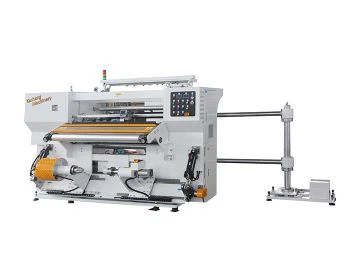
If you're running a business that relies on aluminum foil-whether for food packaging, industrial insulation, HVAC components, or even craft supplies-you know how critical it is to get consistent, precise cuts every single time. One of the most common questions we get here at our facility (as an aluminum foil cutting machine supplier) is: Is an aluminum foil cutting machine compatible with different types of aluminum foil? The short answer is: It can be, but only if you understand the nuances of both your foil and your machine. I've been working with slitting and cutting equipment for over a decade, and I've seen first-hand how mismatched foil types and machines can lead to wasted material, delayed orders, and frustrated clients. Let's break this down.


First, let's clarify what we mean by "different types of aluminum foil." Aluminum foil isn't a one-size-fits-all product. It comes in varying thicknesses, alloy compositions, and even surface treatments that can make a huge difference in how it interacts with cutting tools. For example, household aluminum foil is typically between 0.009 mm and 0.025 mm thick, designed for flexibility and barrier protection. Industrial foil, on the other hand, can range from 0.05 mm up to 0.2 mm or more, used for things like heat exchangers, cable shielding, or construction wraps. There's also "jumbo roll" aluminum foil-large, wide rolls that are fed into cutting machines to be sliced into smaller, usable widths, which is a staple for packaging converters. Then there are specialty foils: coated foil (like food-safe plastic laminations), embossed foil, and even foil with conductive coatings for electronics. Each of these requires a different approach from your cutting machine.
So, how does this compatibility play out? The core of any aluminum foil cutting machine relies on its cutting mechanism, tension control, and blade system. Let's start with the thickness variable. A machine built for thin household foil might struggle with industrial foil, because thicker foil has more rigidity. If the tension isn't adjusted properly, the thicker foil can stretch or wrinkle as it's fed through, leading to uneven cuts. On the flip side, a machine built for thick foil might snag or tear thin household foil, since its blades are set too deep or its tension is too high. This is why we design our equipment with adjustable features-so operators can tweak settings based on the foil they're running.
That said, not all machines are created equal when it comes to versatility. When we first started researching and building our line of equipment, we noticed that many competitors' machines were designed for a single foil type, which limited their clients' ability to expand their product lines. For example, a converter that only does household foil might lose out on industrial contracts if their machine can't handle thicker stock. That's why we invested in engineering machines that balance speed and adaptability. One of our top offerings, the High Speed Aluminium Foil Roll Slitter Machine, is built with interchangeable blade assemblies and a digital tension control system that works for both thin and thick foils. We tested this machine with 0.01 mm household foil and 0.15 mm industrial foil, and both times it delivered clean, burr-free cuts-no tearing, no stretching.
Another key factor is surface treatment. Coated or laminated foils, which are common in food packaging, have a layer of plastic or resin that adds another dimension to the cutting process. If a machine's blades aren't sharp enough, they can stick to the coated surface, leading to uneven slices or even material damage. The Aluminum Foil Automatic Slitting Machine is designed with a shear cutting system that's ideal for coated foils, because it slices through both the aluminum and the lamination without separating them. We've had clients use this machine for foil-wrapped chocolate bars and takeout containers, and they report a 98% yield rate-way higher than the industry average for machines that struggle with coated materials.
Specialty foils, like conductive foil for electronics, add another layer of complexity. These foils often have a very thin, sensitive coating that can be easily scratched or damaged during cutting. That's where the 1300 Slitting Machine With Corona Function And Safety Devices comes in. The corona function is a key feature here: it treats the foil's surface slightly to improve adhesion (if needed) without damaging the coating, and the safety devices prevent the blades from making contact with the sensitive conductive layer. We've worked with electronics manufacturers to test this machine, and they've told us it's the only equipment that can handle their specialty foil without ruining the conductive properties-something other machines just can't do.
Now, let's talk about jumbo rolls, which are a common starting point for most foil converters. The size and weight of jumbo rolls can also affect a machine's compatibility. A machine that can handle a 1-ton jumbo roll of 10,000-foot foil will have a different unwind system than one designed for smaller, lighter rolls. Our Jumbo Roll Slitting Machine for Aluminum Foil is built with a heavy-duty unwind station that stabilizes large rolls, so they don't shift or wobble during the slitting process. This is crucial because a wobbly roll can lead to misaligned cuts, which is a major issue for converters that need exact widths for their packaging lines. We've had clients switch from a machine that could only handle small rolls to this jumbo roll machine, and they've cut their setup time by 40%-a huge saving for operations that run multiple jobs a day.
But here's the thing: even the most versatile machine won't work if you don't maintain it properly. I've seen clients bring in machines that were supposed to handle multiple foil types, but because they never sharpened the blades or calibrated the tension, they only worked well for one foil. Blade maintenance is especially important for aluminum foil, which is a soft metal that can dull blades quickly. If blades are dull, they'll tear thin foils and fray thick ones, regardless of the machine's capabilities. Regular tension checks are also key-foil expands and contracts with temperature and humidity, so if your machine's tension isn't adjusted for those changes, you'll get inconsistent cuts.
Another common mistake we see is trying to use a general-purpose slitting machine for aluminum foil. While some general machines work for basic materials like paper or plastic, aluminum foil is a soft, flexible metal that requires a machine with specific features. For example, plastic films can handle higher tension, but aluminum foil will stretch if tension is too high. That's why all our equipment is designed exclusively for metal foils-we engineer the blade gaps, tension systems, and speed controls specifically for aluminum, so they're more compatible across different foil types than general-purpose machines.
If you're a small business just starting out with aluminum foil cutting, or a larger converter looking to expand your product lines, compatibility shouldn't be an afterthought. Let's say you currently only work with household foil for grocery stores, but you want to start supplying industrial foil to HVAC companies. Investing in a machine that's versatile, like our Hi Speed Aluminium Foil Slitting Machine, will let you make that transition without having to buy a whole new piece of equipment. This machine is user-friendly too-its digital controls make it easy for operators to switch settings between foil types, so you can run a household foil job in the morning and an industrial foil job in the afternoon, no extra setup time needed.
We also offer customizations, which is a big part of compatibility for clients with unique foil needs. If you're working with a very thick industrial foil that our standard machines aren't built for, we can reinforce the unwind and cut systems to handle it. If you're dealing with a specialty coated foil, we can adjust the blade type and tension to ensure it cuts cleanly without damaging the coating. Every foil is different, and we don't believe in a one-size-fits-all solution-our job as a supplier is to make sure our machines work for your specific materials.
Wasting time and money on equipment that can't handle your foil types is frustrating, and it's avoidable. Before you purchase a machine, ask: What types of foil will I be cutting now, and what types do I want to cut in the future? Does the machine have adjustable blades, tension, and speed? Have other clients tested this machine with the same foil types you use? These questions will help you avoid costly mistakes.
If you're ready to explore which aluminum foil cutting machine is right for your operation, we're here to help. We can walk you through our different models, explain how each works with various foil types, and even connect you with clients who have similar needs to yours. Don't settle for a machine that limits your growth-let's find a solution that's compatible with all the aluminum foil you need to process.
To learn more about our full line of aluminum foil slitting and cutting equipment, and to discuss your specific requirements, get in touch with our team today.