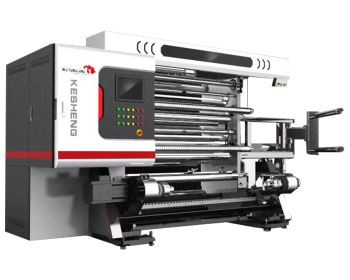
Aluminium foil slitting machines are essential equipment in the packaging and manufacturing industries, used to cut large - width aluminium foil rolls into narrower strips of various widths. Regular and proper cleaning of these machines is crucial to ensure their optimal performance, extend their service life, and maintain the quality of the slitted aluminium foil products. As a leading supplier of aluminium foil slitting machines, we are here to share a comprehensive guide on how to clean an aluminium foil slitting machine.
1. Preparation Before Cleaning
1.1 Power Off and Isolate
Before starting any cleaning work, make sure the machine is completely powered off. Disconnect it from the power source to prevent any electrical accidents. Moreover, isolate the machine from the production line to avoid any accidental start - up during the cleaning process.
1.2 Gather Cleaning Tools and Materials
Collect all the necessary tools and cleaning agents. This typically includes soft - bristle brushes, lint - free cloths, compressed air guns, mild soap or a specialised metal - cleaning solution, lubricants, and safety equipment such as gloves and goggles.
1.3 Review the Machine Manual
Every aluminium foil slitting machine is designed differently, and the manufacturer's manual provides detailed instructions for cleaning and maintenance. Refer to the manual to understand specific cleaning requirements, such as the appropriate cleaning agents to use and any parts that need special attention.
2. External Cleaning
2.1 Wipe the Machine Surface
Use a lint - free cloth dampened with a mild soap solution to wipe the external surface of the machine. This helps to remove dust, dirt, and any oil or grease stains. Pay special attention to areas that are frequently touched, such as control panels and handles. After wiping, dry the surface thoroughly to prevent rusting.
2.2 Clean the Machine Frame
The machine frame may accumulate debris and dust over time. Use a soft - bristle brush to gently sweep away loose particles. For stubborn dirt, you can use a slightly damp cloth with a mild cleaning agent. Avoid splashing water onto sensitive electrical components.
3. Cleaning the Cutting Area
3.1 Remove Residual Foil and Debris
The cutting area of the aluminium foil slitting machine is where most of the debris accumulates. Use a compressed air gun to blow away loose aluminium foil scraps and dust from the cutting blades, guides, and rollers. This step helps to prevent the build - up of debris, which can affect the cutting quality.
3.2 Clean the Cutting Blades
The cutting blades are the most critical part of the slitting machine. Use a specialised blade - cleaning solution and a soft cloth to carefully clean the blades. Make sure to remove any aluminium residue, oil, or dirt. Check the blades for any signs of wear or damage. If the blades are dull or damaged, they should be replaced according to the manufacturer's instructions.
3.3 Lubricate the Cutting Mechanism
After cleaning the cutting blades, apply a small amount of appropriate lubricant to the moving parts of the cutting mechanism. This helps to reduce friction, prevent wear, and ensure smooth operation. Refer to the machine manual for the recommended type of lubricant and the correct application method.
4. Cleaning the Conveyor and Rollers
4.1 Remove Foil Residue
The conveyor belts and rollers can accumulate aluminium foil residue, which may cause slippage or uneven feeding. Use a soft - bristle brush to gently remove the residue from the conveyor surface and the rollers. For stubborn residue, you can use a mild cleaning agent and a damp cloth.
4.2 Check and Adjust the Rollers
Inspect the rollers for any signs of misalignment or damage. Check the tension of the conveyor belt and adjust it if necessary. Properly aligned and tensioned rollers ensure smooth and accurate feeding of the aluminium foil.
5. Cleaning the Electrical Components
5.1 Dust Removal
Electrical components such as control boxes, motors, and sensors can attract dust, which may lead to overheating or malfunction. Use a compressed air gun to blow away dust from these components. Be careful not to blow the dust into other sensitive parts of the machine.
5.2 Inspect for Damage
Visually inspect the electrical wiring, connectors, and switches for any signs of damage, such as frayed wires or loose connections. If any damage is found, it should be repaired or replaced by a qualified electrician.


6. Final Checks and Reassembly
6.1 Reassemble the Machine
After cleaning all the parts, carefully reassemble the machine according to the manufacturer's instructions. Make sure that all components are properly installed and tightened.
6.2 Conduct a Test Run
Before resuming normal production, conduct a test run of the aluminium foil slitting machine. Check for any abnormal noises, vibrations, or malfunctions. Monitor the cutting quality and the feeding process of the aluminium foil.
6.3 Document the Cleaning Process
Keep a record of the cleaning process, including the date, the cleaning agents used, and any maintenance or replacement work carried out. This documentation helps to track the machine's maintenance history and can be useful for future reference.
Our Aluminium Foil Slitting Machine Products
As a professional supplier of aluminium foil slitting machines, we offer a wide range of high - quality products to meet different customer needs. Here are some of our featured machines:
- Hi Speed Aluminium Foil Slitting Machine: This machine is designed for high - speed slitting operations, providing efficient and accurate cutting of aluminium foil.
- High Speed Aluminium Foil Roll Slitter Machine: With advanced technology and high - precision components, it can handle large - volume slitting tasks with excellent performance.
- 1300 Slitting Machine With Corona Function And Safety Devices: This machine is equipped with corona treatment function and safety devices, ensuring both product quality and operator safety.
- Fully Automatic Aluminum Foil Slitting Machine: It features full automation, reducing labor costs and improving production efficiency.
- Aluminium Foil Slitting Machine For Chocolate And Beer: Specifically designed for the packaging needs of the chocolate and beer industries, it can provide precise and clean slitting of aluminium foil.
Contact Us for Purchase and Negotiation
Proper cleaning and maintenance of aluminium foil slitting machines are essential for their long - term performance. If you are interested in our aluminium foil slitting machines or need more information about machine cleaning and maintenance, please feel free to contact us. We are committed to providing you with the best products and services.