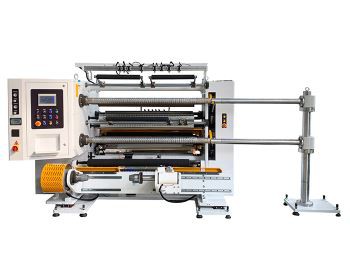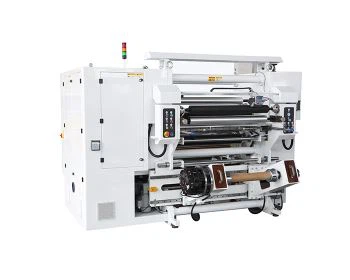
Hey there! As a supplier of Automatic Slitting Machines, I know how crucial it is to keep these machines in top - notch condition. An automatic slitting machine is a workhorse in many industries, especially those dealing with materials like plastic films. So, let's dive into how you can maintain your automatic slitting machine to ensure it runs smoothly and efficiently.
Regular Cleaning
First off, cleaning is super important. Dust, debris, and leftover materials can build up on the machine over time. This buildup can cause all sorts of problems, like jams, inaccurate cuts, and premature wear and tear.


Start by turning off the machine and unplugging it for safety. Use a soft, dry cloth to wipe down the exterior of the machine. Pay special attention to areas where dust tends to accumulate, like around the slitting blades and the feed rollers.
For the interior parts, you can use compressed air to blow out any dust or small particles. Make sure to get into all the nooks and crannies. If there are stubborn stains or sticky residues, you can use a mild cleaning solution. Just be careful not to get any liquid on the electrical components.
Blade Maintenance
The slitting blades are the heart of the machine. They need to be sharp and in good condition to make clean, precise cuts.
Check the blades regularly for signs of wear, such as dullness, chips, or nicks. If you notice any of these issues, it's time to replace the blades. Using dull blades can not only result in poor - quality cuts but also put extra stress on the machine.
When replacing the blades, follow the manufacturer's instructions carefully. Make sure the blades are installed correctly and tightened properly. After installation, test the machine on a scrap piece of material to ensure the blades are working as they should.
Also, keep the blades clean. After each use, wipe them down with a clean cloth to remove any debris or residue. You can also apply a light coat of lubricant to prevent rust and corrosion.
Lubrication
Lubrication is key to keeping the moving parts of the automatic slitting machine running smoothly. Without proper lubrication, the parts can rub against each other, causing friction, heat, and wear.
Refer to the machine's manual to find out which lubricants are recommended and where they should be applied. Generally, you'll need to lubricate the bearings, gears, and other moving components.
Use a high - quality lubricant and apply it at the recommended intervals. Don't over - lubricate, as this can attract dust and debris, which can cause more problems.
Inspection of Electrical Components
The electrical components of the automatic slitting machine are just as important as the mechanical parts. Faulty electrical components can lead to malfunctions, safety hazards, and even damage to the machine.
Regularly inspect the wiring for any signs of damage, such as fraying, cracking, or loose connections. If you find any issues, have them repaired by a qualified electrician.
Check the control panel and switches to make sure they are working properly. Test the machine's sensors and safety features to ensure they are functioning as intended.
Tension Adjustment
Proper tension is essential for accurate slitting. If the tension is too high, it can cause the material to stretch or break. If the tension is too low, the material may not feed properly, resulting in uneven cuts.
Use the machine's tension adjustment controls to set the appropriate tension for the material you are slitting. You may need to make adjustments based on the type, thickness, and width of the material.
Test the tension by running a small piece of material through the machine. If the cuts are uneven or the material is not feeding smoothly, make further adjustments until you achieve the desired results.
Calibration
Calibration ensures that the machine is cutting at the correct width and length. Over time, the machine may become misaligned, leading to inaccurate cuts.
Periodically calibrate the machine according to the manufacturer's instructions. This may involve adjusting the slitting blades, the feed rollers, and the cutting length settings.
Use a measuring tool to check the width and length of the cut material. If the measurements are off, make the necessary adjustments to the machine's settings.
Training for Operators
Proper training for operators is crucial for the maintenance of the automatic slitting machine. Operators should be familiar with the machine's operation, safety procedures, and maintenance requirements.
Provide comprehensive training to new operators and refresh the training for existing operators on a regular basis. Make sure they know how to perform basic maintenance tasks, such as cleaning, blade replacement, and tension adjustment.
Encourage operators to report any issues or abnormalities they notice during operation. This can help catch problems early and prevent more serious damage to the machine.
Storage
If you need to store the automatic slitting machine for an extended period, take proper precautions to protect it.
Clean the machine thoroughly before storage to remove any dust, debris, or residue. Apply a light coat of rust - preventive oil to the metal parts to prevent corrosion.
Cover the machine with a protective cover to keep it clean and dry. Store the machine in a dry, cool place away from direct sunlight and moisture.
Our Product Range
We offer a wide range of automatic slitting machines, including the Slitting Machine for PET Flim, High Speed Horizontal Slitting Machine for Plastic Flim, and Horizontal Plastic Film Roll Automatic Slitting Machine. These machines are designed to meet the diverse needs of our customers and are built to last.
If you're in the market for an automatic slitting machine or need more information about maintenance, feel free to reach out to us. We're here to help you make the right choice and keep your machine running at its best.