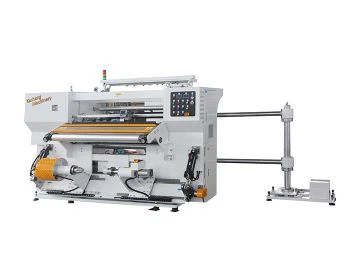
Small slitting machines are essential tools in various industries for cutting materials into desired widths. However, blade breakage is a common issue that can disrupt production, increase costs, and affect product quality. As a trusted supplier of small slitting machines, including the High Speed Horizontal Slitting Machine for Plastic Flim, Vertical Plastic Film Slitting and Rewinding Machine, High Speed PE Flim Paper Slitter Rewinder Machine, Plastic Film Slitting Machine, and PLC Control Plastic Film Slitter Machine, I would like to share some effective strategies to prevent blade breakage in small slitting machines.
Understanding the Causes of Blade Breakage
Before diving into prevention methods, it's crucial to understand the common causes of blade breakage. These can be broadly categorized into three areas: machine - related factors, material - related factors, and operational factors.


Machine - Related Factors
The condition of the slitting machine itself plays a significant role. Misaligned shafts or improper tension control can put uneven stress on the blades. For example, if the slitting shaft is not perfectly straight, the blade will experience variable cutting forces along its length, increasing the risk of breakage. Additionally, worn - out bearings can cause vibrations during operation, which also contribute to premature blade failure.
Material - Related Factors
The nature of the material being slit can greatly impact blade life. Hard, abrasive materials, such as some types of plastic films with mineral additives, can wear down the blades more quickly. Sharp particles or foreign objects in the material can also cause sudden blade damage. If the material is too thick or has inconsistent thickness distribution, it can overload the blade during cutting.
Operational Factors
Incorrect cutting speed and pressure settings are major culprits. Running the machine at too high a speed for the material and blade combination can generate excessive heat and stress on the blade. Similarly, applying too much cutting pressure can cause the blade to fracture. Improper blade installation, including incorrect blade orientation or incorrect tightening of the blade holder, can also lead to blade breakage.
Preventive Strategies
Machine Maintenance
Regular and proper machine maintenance is the foundation of blade breakage prevention.
Shaft Alignment
Periodically check and adjust the alignment of the slitting shafts. Use precision measuring tools to ensure that the shafts are parallel and straight within the allowable tolerance. If necessary, consult the machine's manual or a professional technician for detailed alignment procedures.
Bearing Inspection and Replacement
Inspect the bearings regularly for signs of wear, such as excessive play or noise. Worn - out bearings should be replaced immediately to prevent vibrations that can damage the blades. Follow the manufacturer's recommended maintenance schedule for bearing lubrication and replacement.
Tension Control System
Calibrate the tension control system to ensure that the material is fed through the slitting machine with consistent tension. Inconsistent tension can cause the blade to cut unevenly, leading to premature wear and breakage. Use tension sensors and controllers to maintain optimal tension levels.
Material Handling
Proper handling of the material being slit can significantly reduce the risk of blade breakage.
Material Quality Control
Inspect the incoming material for any foreign objects, sharp particles, or thickness variations. If possible, work with reliable suppliers to ensure the consistent quality of the material. For materials with known abrasive properties, consider using blades specifically designed to withstand such conditions.
Material Preparation
If the material is too thick or has a high stiffness, it may be necessary to pre - process it to reduce the cutting load on the blades. This can include methods such as annealing or pre - slitting the material into smaller sections.
Operational Best Practices
Adopting correct operational practices is essential for preventing blade breakage.
Cutting Speed and Pressure
Select the appropriate cutting speed and pressure based on the material type, blade characteristics, and machine specifications. Refer to the machine's manual or consult with the manufacturer for recommended settings. Start with lower speeds and pressures and gradually increase them while monitoring the cutting process and blade performance.
Blade Installation
Follow the correct blade installation procedures carefully. Ensure that the blade is installed in the correct orientation and that the blade holder is tightened to the appropriate torque. Use a torque wrench to achieve consistent tightening and avoid over - tightening or under - tightening.
Operator Training
Provide comprehensive training to machine operators on proper operation techniques, safety procedures, and blade handling. Well - trained operators are more likely to recognize and address potential issues before they lead to blade breakage.
Blade Selection and Maintenance
Choosing the right blade for the job and maintaining it properly are also crucial.
Blade Selection
Select blades based on the specific requirements of the slitting application, including the material type, cutting thickness, and desired finish. Different blade materials, such as high - speed steel or carbide, have different properties and are suitable for different materials. Consult with a blade supplier or our technical support team to select the most appropriate blade.
Blade Maintenance
Regularly clean and sharpen the blades to maintain their cutting performance. Use the correct sharpening equipment and techniques to ensure that the blade geometry is maintained. Dull blades require more cutting force, which increases the risk of breakage.
Long - Term Benefits of Preventing Blade Breakage
Preventing blade breakage in small slitting machines offers several long - term benefits. Firstly, it reduces production downtime. When a blade breaks, the machine needs to be stopped, the broken blade replaced, and the machine recalibrated, which can take a significant amount of time. By preventing blade breakage, you can keep your production line running smoothly and meet your production deadlines.
Secondly, it lowers costs. Blade replacement can be expensive, especially if it happens frequently. Additionally, broken blades can cause damage to other parts of the machine, leading to additional repair costs. By preventing blade breakage, you can save on the cost of blades, as well as on maintenance and repair expenses.
Finally, it improves product quality. A broken blade can produce uneven cuts, resulting in defective products. By ensuring that the blades are in good condition and functioning properly, you can produce high - quality products that meet your customers' requirements.
Conclusion
Preventing blade breakage in small slitting machines is a multifaceted task that requires attention to machine maintenance, material handling, operational practices, and blade selection and maintenance. By implementing the strategies outlined above, you can significantly reduce the risk of blade breakage and enjoy the benefits of increased productivity, lower costs, and improved product quality.
If you are interested in purchasing a small slitting machine or need further advice on preventing blade breakage, please feel free to contact us. Our team of experts is ready to provide you with professional guidance and support.