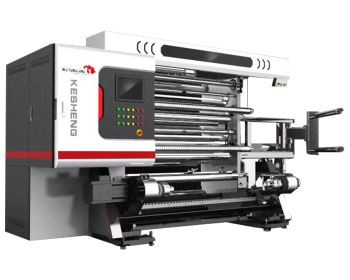
Hey there! As a supplier of small slitting machines, I've had my fair share of experiences when it comes to transporting these nifty pieces of equipment. In this blog, I'll walk you through the ins and outs of how to transport a small slitting machine safely and efficiently.
Why Transportation Matters
First off, you might be wondering why we even need to pay so much attention to transporting a small slitting machine. Well, these machines are precision - engineered tools, and any damage during transit can mess up their performance big time. A bump or a jolt can misalign parts, break delicate components, or even damage the control systems. So, getting the transportation right is crucial for ensuring that the machine arrives in top - notch condition and is ready to start slitting right away.
Know Your Machine
Before you start planning the transport, you've gotta know your small slitting machine inside out. Measure its dimensions (length, width, and height) and weigh it accurately. This info will help you choose the right transport vehicle and packaging materials. Different models have different features and sensitivities. For instance, our Air Shaft Jumbo Roll Paper Slitting Machine is designed for handling large paper rolls, and it might have some unique parts that need extra care during transport.
Choose the Right Packaging
Once you know your machine's details, it's time to pick the right packaging. For a small slitting machine, a sturdy wooden crate is often a great choice. It provides good protection against impacts and can be easily secured. Line the crate with shock - absorbing materials like foam or bubble wrap. Pay special attention to the machine's moving parts, control panels, and any sharp edges. You can use custom - made foam inserts to hold these parts in place and prevent them from shifting during transit.
If the machine is going to be shipped overseas, you'll also need to consider moisture protection. A moisture - proof plastic liner inside the crate can help prevent rust and corrosion. And don't forget to label the crate clearly with "Fragile", "This Side Up", and other relevant instructions.
Select the Transport Method
There are several ways to transport a small slitting machine, and the choice depends on factors like distance, cost, and urgency.
Road Transport
For short - to medium - distance deliveries, road transport is usually the most convenient option. You can hire a flatbed truck or a box truck, depending on the size of the machine. Make sure the truck has proper tie - down points to secure the crate. Use heavy - duty straps to fasten the crate to the truck bed, and check the tightness regularly during the journey. Road transport gives you more control over the delivery schedule, and you can track the progress easily.
Rail Transport
If you're transporting the machine over a long distance within the same country, rail transport can be a cost - effective choice. However, it might take longer than road transport. You'll need to work with a freight forwarder to arrange the loading and unloading at the rail terminals. The machine should be well - packaged to withstand the vibrations and jolts of the train ride.
Air Transport
For urgent deliveries or international shipments over long distances, air transport is the fastest option. But it can be quite expensive. When shipping by air, the machine must meet strict weight and size restrictions. You'll also need to work with an experienced air freight forwarder to handle all the customs and documentation requirements. Our High Speed Plastic Film Slitter Machine is a high - value and fast - moving piece of equipment, and sometimes airlines are the best choice for quick and secure transportation.
Sea Transport
If you're sending the machine overseas and time isn't a huge constraint, sea transport is a popular option. You can use a standard shipping container to transport the machine. The container provides extra protection against the elements, and it can be easily transferred between different modes of transport. Make sure the machine is properly secured inside the container to prevent it from moving during the long sea journey.
Get the Right Documentation
No matter which transport method you choose, you'll need to have the right documentation in place. This includes the machine's bill of lading, which is a receipt for the goods being shipped. It also has details about the shipment, such as the origin, destination, and contents. You'll also need a commercial invoice, which shows the value of the machine and is used for customs purposes.


For international shipments, you'll need additional documents like a certificate of origin, which shows where the machine was made, and any necessary import/export licenses. Make sure all the documents are accurate and up - to - date to avoid any delays at customs.
Insurance is a Must
Shipping a small slitting machine comes with risks, no matter how careful you are. Accidents can happen during transit, and damage to the machine can be costly. That's why getting insurance for the shipment is a must. Contact your insurance provider and get a policy that covers the full value of the machine. Make sure you understand the terms and conditions of the policy, including what's covered and what's not.
Hire Professionals if Needed
Transporting a small slitting machine can be a complex task, especially if you're not experienced in handling heavy machinery. If you're not confident in your ability to transport the machine safely, it's a good idea to hire professionals. Freight forwarders and shipping companies have the expertise and equipment to handle all aspects of the transport, from packaging to documentation and delivery. They can also help you navigate any local regulations or customs procedures.
After - Transport Checks
Once the machine arrives at its destination, it's important to conduct a thorough inspection. Check for any visible damage to the crate or the machine itself. If you find any issues, document them with photos and contact your transport provider or insurance company right away.
Power on the machine and perform some basic tests. Make sure all the functions are working properly, and there are no strange noises or vibrations. If you notice any problems, don't hesitate to contact our technical support team. We're here to help you get your Thick film or PET PVC Paper slitting machine KWF - B or any other model up and running smoothly.
Conclusion
Transporting a small slitting machine requires careful planning, the right packaging, and the proper documentation. By following these steps, you can ensure that your machine arrives at its destination in perfect working condition.
If you're in the market for a small slitting machine, we've got a great range of options, including the PLC Control Plastic Film Slitter Machine and the BOPP Laminated Film Roll To Roll Slitting Machine. We can also provide you with expert advice on transportation and installation. Don't hesitate to reach out to us for more information and to start a purchase negotiation. We're looking forward to working with you!