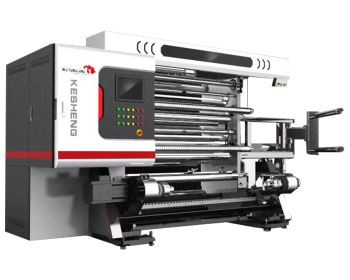
Hey there! I'm an expert from a small slitting machine supplier, and I've been dealing with slitting machines for ages. One of the most common issues we encounter is blade wear. It can be a real headache, but don't worry; I'm here to walk you through how to troubleshoot a small slitting machine with blade wear.
Understanding the Impact of Blade Wear
First off, let's talk about why blade wear is such a big deal. When the blades on your slitting machine start to wear out, it affects the quality of the cuts. You might notice frayed edges on the material you're slitting, uneven widths, or even inconsistent tension in the rolled material. Not only does this ruin the end product, but it can also slow down your production process.
Imagine you're running a business that depends on slitting plastic film for packaging. If the blades are worn, the film won't be cut cleanly, and your packaging might look shoddy. This can lead to customer complaints and loss of business. That's why it's crucial to address blade wear as soon as you notice it.
Signs of Blade Wear
How do you know if your slitting machine blades are worn? Here are some tell - tale signs:
- Poor Cut Quality: As I mentioned earlier, frayed or jagged edges on the slit material are a clear indication of blade wear. The blades are no longer sharp enough to make a clean cut, so the material gets torn instead.
- Increased Noise: A noisy slitting machine can mean that the blades are rubbing against each other or the material too harshly. This extra friction is often caused by dull blades.
- Higher Energy Consumption: Worn blades need more force to cut through the material. This means your machine has to work harder, which can lead to increased energy consumption. If you notice a sudden spike in your electricity bill, it could be due to blade wear.
Troubleshooting Steps
1. Inspection
The first step in troubleshooting is a thorough inspection. Stop the machine and power it off to ensure your safety. Remove the blades carefully and examine them closely. Look for signs of chipping, dulling, or uneven wear. You can use a magnifying glass if necessary. If one blade is more worn than the others, it could indicate a problem with the machine's alignment.
2. Cleaning
Sometimes, blade wear can be exacerbated by debris and buildup. Use a clean cloth and a mild solvent to clean the blades. Make sure to remove any material residue, dirt, or grease. This can improve the blade's cutting performance and prevent further wear.
3. Sharpening or Replacement
If the blades are only slightly dull, you might be able to sharpen them. However, this requires specialized equipment and skills. If you're not confident in your ability to sharpen the blades properly, it's better to replace them. Invest in high - quality blades that are designed for your specific slitting machine. Cheaper blades might seem like a good deal at first, but they won't last as long and can cause more problems in the long run.
4. Machine Alignment
Blade wear can also be caused by misaligned machine components. Check the alignment of the blades, the guide rollers, and the feed system. A misaligned blade can rub against the machine or the material at the wrong angle, causing uneven wear. You can use alignment tools to ensure everything is in the correct position. If you're not sure how to do this, refer to the machine's manual or contact our technical support team.
5. Lubrication
Proper lubrication is essential for the smooth operation of the slitting machine and to reduce blade wear. Check the lubrication points on your machine and make sure they are well - lubricated. Use the lubricant recommended by the machine manufacturer. Too little lubrication can cause friction and wear, while too much can attract dirt and debris.
Common Mistakes to Avoid
When troubleshooting a slitting machine with blade wear, there are some common mistakes that you should avoid:

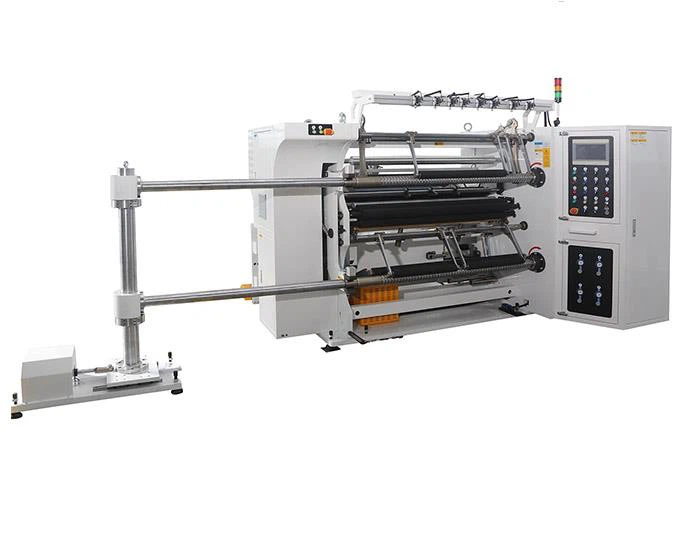
- Ignoring Small Issues: Don't ignore small signs of blade wear, like a slight roughness on the cut edges. These small problems can quickly turn into major issues if left untreated.
- Using the Wrong Blades: Make sure you're using the right type of blades for your slitting machine and the material you're cutting. Using the wrong blades can cause premature wear and poor cutting quality.
- Overlooking Maintenance: Regular maintenance is key to preventing blade wear. Don't skip routine inspections, cleaning, and lubrication.
Our Product Recommendations
As a small slitting machine supplier, we offer a wide range of high - quality slitting machines. Here are some of our popular products:
- High Speed Plastic Film Slitter Rewinder Machine: This machine is perfect for slitting plastic film at high speeds with precision.
- Vertical Automatic High Speed Fabric Roll Slitting Machine: Ideal for fabric roll slitting, it offers high - speed operation and automatic features.
- Air Shaft Jumbo Roll Paper Slitting Machine: Designed for paper slitting, it has an air shaft for easy handling of jumbo rolls.
- Thick film or PET PVC Paper slitting machine KWF - B: This machine is suitable for slitting thick films and PET, PVC papers.
- 1300 Width Jumbo Roll Slitting Machine For Plastic: With a 1300 - width capacity, it's great for large - scale plastic slitting.
Conclusion
Dealing with blade wear on a small slitting machine can be a challenge, but by following these troubleshooting steps, you can keep your machine running smoothly. Regular inspection, cleaning, proper blade selection, and maintenance are key to preventing and resolving blade wear issues.
If you're in the market for a new slitting machine or need replacement parts, our team is here to help. We have years of experience in the industry and can provide you with the best solutions for your slitting needs. Contact us today to start a conversation about your requirements and let's find the perfect slitting machine for your business.