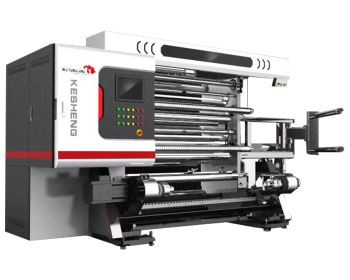
Hey there! As a slitting machine supplier, I often get asked about how our machines perform when it comes to slitting different density materials. It's a super important topic, especially for businesses that deal with a variety of materials on a daily basis. So, let's dive right in and explore the slitting performance of our slitting machines for different density materials.
Understanding Material Density
Before we talk about slitting performance, it's crucial to understand what material density means. Density is basically the mass of a material per unit volume. Different materials have different densities, and this can significantly affect how they are slit. For example, a high - density material like metal or thick plastic will behave very differently from a low - density material such as thin paper or light fabric.
Slitting Low - Density Materials
Low - density materials are usually soft, flexible, and easy to cut. Think of things like thin plastic films, tissue paper, or lightweight non - woven fabrics. When it comes to slitting these materials, our Flexible Material Slitting Machine really shines.
One of the key challenges with low - density materials is preventing wrinkling or tearing during the slitting process. Our machines are equipped with advanced tension control systems. These systems ensure that the material is fed through the machine at a consistent speed and with just the right amount of tension. This way, we can maintain a smooth and even cut, without any unsightly wrinkles or tears.
Another important aspect is the blade selection. For low - density materials, we use sharp, fine - toothed blades. These blades can easily slice through the material without causing excessive friction or heat. Heat can be a big problem with low - density materials, as it can melt or distort the material. Our machines are designed to keep the blade temperature in check, ensuring a clean and precise cut every time.
Slitting Medium - Density Materials
Medium - density materials include things like thicker plastic films, cardboard, and some types of leather. These materials are a bit more challenging to slit compared to low - density materials, but our machines are up to the task.
The Jumbo Roll Slitting Machine is a great option for medium - density materials. It has a powerful motor and a robust cutting mechanism that can handle the increased resistance of these materials. When slitting medium - density materials, we need to pay close attention to the cutting pressure. If the pressure is too low, the blade may not cut through the material completely. On the other hand, if the pressure is too high, it can damage the material or cause the blade to wear out quickly.
Our machines are calibrated to apply the optimal cutting pressure for medium - density materials. We also use high - quality blades that are designed to withstand the wear and tear of cutting these tougher materials. Additionally, our machines have a precise guiding system that ensures the material is cut in a straight line, even when dealing with medium - density materials that may have a bit more stiffness.
Slitting High - Density Materials
High - density materials, such as metals, thick plastics, and some types of composites, are the most challenging to slit. These materials require a lot of force and precision to cut properly. Our Slitting Machine for PET Flim can also be adapted for high - density materials with some modifications.
When slitting high - density materials, we use heavy - duty blades made from special alloys. These blades are extremely hard and can withstand the high pressures and forces involved in cutting these materials. The cutting speed is also an important factor. We need to slow down the cutting speed to ensure that the blade has enough time to cut through the material without overheating or getting damaged.
Cooling systems are also essential when slitting high - density materials. The friction generated during the cutting process can produce a lot of heat, which can damage the material and the blade. Our machines are equipped with efficient cooling systems that keep the blade and the material at a safe temperature.
Factors Affecting Slitting Performance
Apart from material density, there are several other factors that can affect the slitting performance of our machines. One of these factors is the width of the material. Wider materials may require more powerful motors and stronger cutting mechanisms to ensure a smooth and even cut.
The speed of the slitting process is also crucial. Faster speeds can increase productivity, but they may also lead to a decrease in cutting quality, especially when dealing with high - density materials. Our machines allow you to adjust the cutting speed according to the specific requirements of the material you are slitting.
The quality of the material itself can also have an impact on slitting performance. Materials with imperfections or irregularities may be more difficult to slit. Our machines are designed to handle a certain degree of material variability, but it's always best to use high - quality materials for the best results.
Conclusion
In conclusion, the slitting performance of our slitting machines varies depending on the density of the materials. We have different machines and technologies to handle low - density, medium - density, and high - density materials effectively. Whether you're dealing with thin plastic films or thick metal sheets, our machines can provide a precise and efficient slitting solution.
If you're in the market for a slitting machine and want to learn more about how our machines can meet your specific needs, don't hesitate to reach out. We're here to help you find the perfect slitting machine for your business. Contact us today to start a conversation about your slitting requirements.