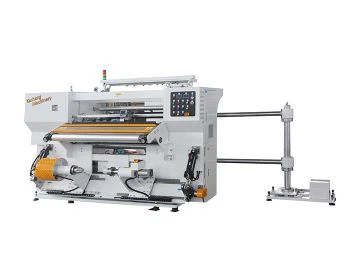
What is the power consumption of a Plastic Film Slitter Machine?
As a supplier of Plastic Film Slitter Machines, I often receive inquiries from customers about the power consumption of our machines. Understanding the power consumption of these machines is crucial for businesses, as it directly impacts operational costs and energy efficiency. In this blog post, I will delve into the factors that influence the power consumption of a Plastic Film Slitter Machine, provide some general estimates, and discuss how you can optimize energy usage for cost - savings.
Factors Affecting Power Consumption
Machine Type and Size
One of the most significant factors influencing power consumption is the type and size of the Plastic Film Slitter Machine. Different models are designed to handle various production capacities and width requirements. For instance, a 1300 Width Jumbo Roll Slitting Machine For Plastic is typically larger and more powerful compared to smaller, benchtop models. Larger machines require more energy to operate their motors, conveyors, and cutting mechanisms, as they need to exert more force to process wider and thicker plastic films.


Operating Speed
The operating speed of the slitter machine also has a direct impact on power consumption. High - speed machines, like the High Speed Slitting Rewinding Machine, consume more power because they need to move the plastic film at a faster rate. The motors and mechanical components in these machines work harder to maintain the high - speed operation, resulting in increased energy usage. Conversely, slower - operating machines are generally more energy - efficient, but they may have lower production output.
Cutting and Rewinding Mechanisms
The cutting and rewinding mechanisms used in the machine contribute to power consumption. Some machines use knives, lasers, or ultrasonic cutters. Each type of cutting mechanism has different energy requirements. For example, laser cutters are known to consume a relatively large amount of power due to the high - energy laser beam they generate. Rewinding systems also vary in power consumption. Automatic rewinding systems, such as those in the Automatic Slitting Machine, are often more complex and may require additional power to operate accurately.
Plastic Film Characteristics
The characteristics of the plastic film being processed, such as its thickness, density, and type, can affect power consumption. Thicker and denser films require more force to cut and transport through the machine, which in turn leads to higher energy usage. Different types of plastic films, like polyethylene, polypropylene, and polyester, also have different physical properties that influence the amount of energy needed for slitting. For example, processing a High Quality Polyester Film Slitting Machine may consume a different amount of power compared to other plastic films.
General Estimates of Power Consumption
It is challenging to provide an exact figure for the power consumption of a Plastic Film Slitter Machine, as it varies greatly depending on the factors mentioned above. However, I can offer some general estimates. Small - scale, low - speed benchtop slitter machines may consume around 1 - 3 kilowatts (kW) of power during operation. These machines are suitable for small businesses or laboratories with low - volume production requirements.
Medium - sized slitter machines with moderate operating speeds can consume between 3 - 10 kW. These are commonly used in medium - scale manufacturing facilities where a balance between production output and energy consumption is desired.
Large - scale, high - speed industrial slitter machines, such as the Automatic High Speed Film Slitting Machine, can have power consumption ranging from 10 kW to over 50 kW. These machines are designed for high - volume production and are often used in large manufacturing plants.
Optimizing Energy Usage
As a supplier, we understand the importance of energy efficiency for our customers. Here are some tips to help you optimize the power consumption of your Plastic Film Slitter Machine:
Choose the Right Machine
Select a machine that matches your production requirements. Avoid using an oversized machine for small - scale production, as it will consume more power than necessary. Similarly, if you need high - volume production, a low - power machine may not be sufficient, and you may end up running the machine for longer periods, increasing overall energy usage.
Regular Maintenance
Keep your slitter machine well - maintained. Clean the cutting blades regularly to ensure smooth cutting, which can reduce the energy required to process the plastic film. Check the belts, pulleys, and motors for proper alignment and lubrication. A well - maintained machine operates more efficiently and consumes less energy.
Adjust Operating Parameters
Adjust the operating speed and other parameters of the machine according to the characteristics of the plastic film being processed. Running the machine at an unnecessarily high speed for thin films will waste energy. By optimizing the operating parameters, you can reduce power consumption without sacrificing production quality.
Implement Energy - Saving Technologies
Some modern Plastic Film Slitter Machines are equipped with energy - saving technologies, such as variable frequency drives (VFDs). VFDs allow the motor to adjust its speed according to the load, resulting in significant energy savings. Consider investing in machines with these advanced features.
Conclusion
The power consumption of a Plastic Film Slitter Machine depends on multiple factors, including machine type and size, operating speed, cutting and rewinding mechanisms, and plastic film characteristics. While general estimates can be provided, the exact power consumption will vary for each specific application. As a supplier, we are committed to helping our customers choose the most energy - efficient machines and providing guidance on how to optimize energy usage.
If you are interested in learning more about our Plastic Film Slitter Machines or have questions about power consumption and energy efficiency, we encourage you to contact us for a detailed discussion. Our team of experts is ready to help you find the best solution for your production needs.