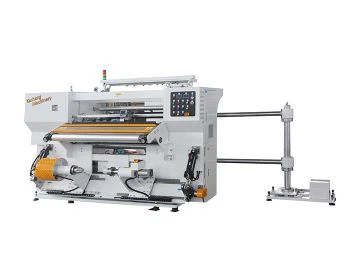
In the realm of industrial machinery, small slitting machines play a pivotal role in precision cutting and processing different types of materials. At the heart of a high - performing small slitting machine lies a sophisticated tension control system. As a dedicated supplier of small slitting machines, I've gained in - depth knowledge about these systems and their significance in the overall operation of the machines.
Understanding the Basics of Tension Control in Small Slitting Machines
Tension control in a small slitting machine refers to the management of the force applied to the material being processed. This force ensures that the material moves smoothly through the machine, is cut accurately, and is rewound evenly. Without proper tension control, a variety of issues can occur. For example, material may wrinkle, tear, or wind unevenly, which can lead to wasted products and inefficient production processes.
The tension control system of a small slitting machine is designed to maintain a consistent tension from the unwind to the rewind stations. This involves a combination of sensors, drives, and control algorithms that adjust the speed and torque of the motors controlling the rollers and shafts.
Components of a Tension Control System
1. Tension Sensors
Tension sensors are the eyes of the tension control system. They measure the tension of the material at various points in the slitting process. These sensors work on different principles, such as strain - gauge, load - cell, or dancer - arm technologies.
Strain - gauge sensors are highly accurate and can detect even the slightest changes in tension. They are usually installed on rollers or beams that come in contact with the material. Load - cell sensors, on the other hand, measure the force exerted by the material directly. They are often used in applications where high - precision tension measurement is required. Dancer - arm sensors use a pivoted arm that moves in response to changes in tension. The position of the arm is then converted into an electrical signal, which is used to adjust the tension.
2. Drives
Drives are responsible for controlling the speed and torque of the motors that operate the rollers and shafts in the slitting machine. There are two main types of drives used in small slitting machines: DC drives and AC drives.
DC drives have been used in the industry for a long time due to their simplicity and ease of control. They offer precise speed and torque regulation, which is essential for maintaining constant tension. However, they do have some limitations, such as lower efficiency and higher maintenance requirements.
AC drives, on the other hand, are becoming more popular in modern slitting machines. They are more energy - efficient, have better speed control capabilities, and require less maintenance. AC drives can be programmed to adjust the motor's speed and torque based on the input from the tension sensors, ensuring that the material is processed under optimal tension.


3. Control Algorithms
Control algorithms are the brains of the tension control system. They analyze the data from the tension sensors and determine the appropriate actions to take to maintain the desired tension. These algorithms are often based on proportional - integral - derivative (PID) control theory.
PID controllers adjust the output of the drives based on the difference between the desired tension and the actual tension measured by the sensors. The proportional term provides an immediate response to the error, the integral term corrects for long - term errors, and the derivative term predicts future errors and helps to prevent overshooting. Advanced control algorithms may also incorporate feed - forward control, which anticipates changes in tension based on factors such as the speed of the machine or the thickness of the material.
Importance of Tension Control in Different Applications
Plastic Film Slitting
Slitting Machine for PET Flim is a common application in the plastic industry. Plastic films are often very thin and delicate, so maintaining consistent tension is crucial to prevent wrinkling and tearing. The tension control system ensures that the film is cut accurately and rewound evenly, resulting in high - quality finished products.
For example, a BOPP Laminated Film Roll To Roll Slitting Machine requires precise tension control to handle the laminated film. The different layers of the film may have different stretching properties, and the tension control system must be able to compensate for these differences to ensure a smooth slitting process.
Label Slitting
Labels are used in a wide variety of industries, from consumer products to industrial applications. A Double Rewinding High Speed Label Slitting Machine needs to maintain consistent tension during the slitting process to ensure that the labels are cut cleanly and can be wound onto rewinding cores without any issues.
In label slitting, uneven tension can cause misalignment of the labels, which can lead to printing errors or difficulties in the application process. The tension control system in these machines helps to prevent such problems by adjusting the speed and torque of the motors in real - time.
Fabric Slitting
Vertical Automatic High Speed Fabric Roll Slitting Machine is used in the textile industry to cut large rolls of fabric into smaller, more manageable widths. Fabric is a flexible and stretchy material, so accurate tension control is essential for straight and clean cuts.
The tension control system in fabric slitting machines must be able to adapt to the changing characteristics of the fabric, such as its thickness, density, and elasticity. By maintaining a consistent tension, the machine can produce high - quality fabric strips with minimal waste.
Advanced Features in Modern Tension Control Systems
PLC - Based Control
Many modern small slitting machines, such as the PLC Control Vertical Automatic High Speed Slitting Machine, use programmable logic controllers (PLCs) for tension control. PLCs offer several advantages over traditional control systems.
They provide greater flexibility in programming, allowing operators to easily adjust the tension control parameters based on the specific requirements of the material being processed. PLCs also offer better integration with other machine functions, such as speed control and cutter positioning. This results in a more efficient and automated slitting process.
Remote Monitoring and Diagnostic
Another advanced feature in modern tension control systems is remote monitoring and diagnostic capabilities. With the help of Internet of Things (IoT) technology, operators can monitor the tension control system of a small slitting machine from anywhere in the world.
Remote monitoring allows operators to keep an eye on key parameters, such as tension levels, motor speeds, and temperature. If any issues are detected, the system can send alerts to the operators, enabling them to take timely action. Diagnostic tools can also analyze the performance data of the tension control system and provide insights into potential problems and maintenance requirements.
Conclusion
The tension control system is the key to the smooth and efficient operation of a small slitting machine. By understanding the components, importance, and advanced features of these systems, users can make informed decisions when choosing a slitting machine for their specific applications.
As a supplier of small slitting machines, we are committed to providing high - quality machines with state - of - the - art tension control systems. Whether you are in the plastic film, label, or fabric industry, our machines can meet your needs. If you are interested in purchasing a small slitting machine or have any questions about our products, please feel free to contact us for a detailed discussion.